
What do dermatologists say about tattoos? Our clients ask us this all the time when they’re deciding to get inked. The short answer: dermatologists don’t hate tattoos, but they want you to know what’s going on under the skin and how to keep tattooed skin healthy long term.
As cosmetic tattoo artists here in Brisbane, we’ve seen both sides — the beauty of crisp, well-healed work and the frustration when skin reactions pop up. Dermatologists and tattoo artists have one priority: your skin health. So let’s get into the expert opinion, straight from medical doctors, combined with our in-studio experience.
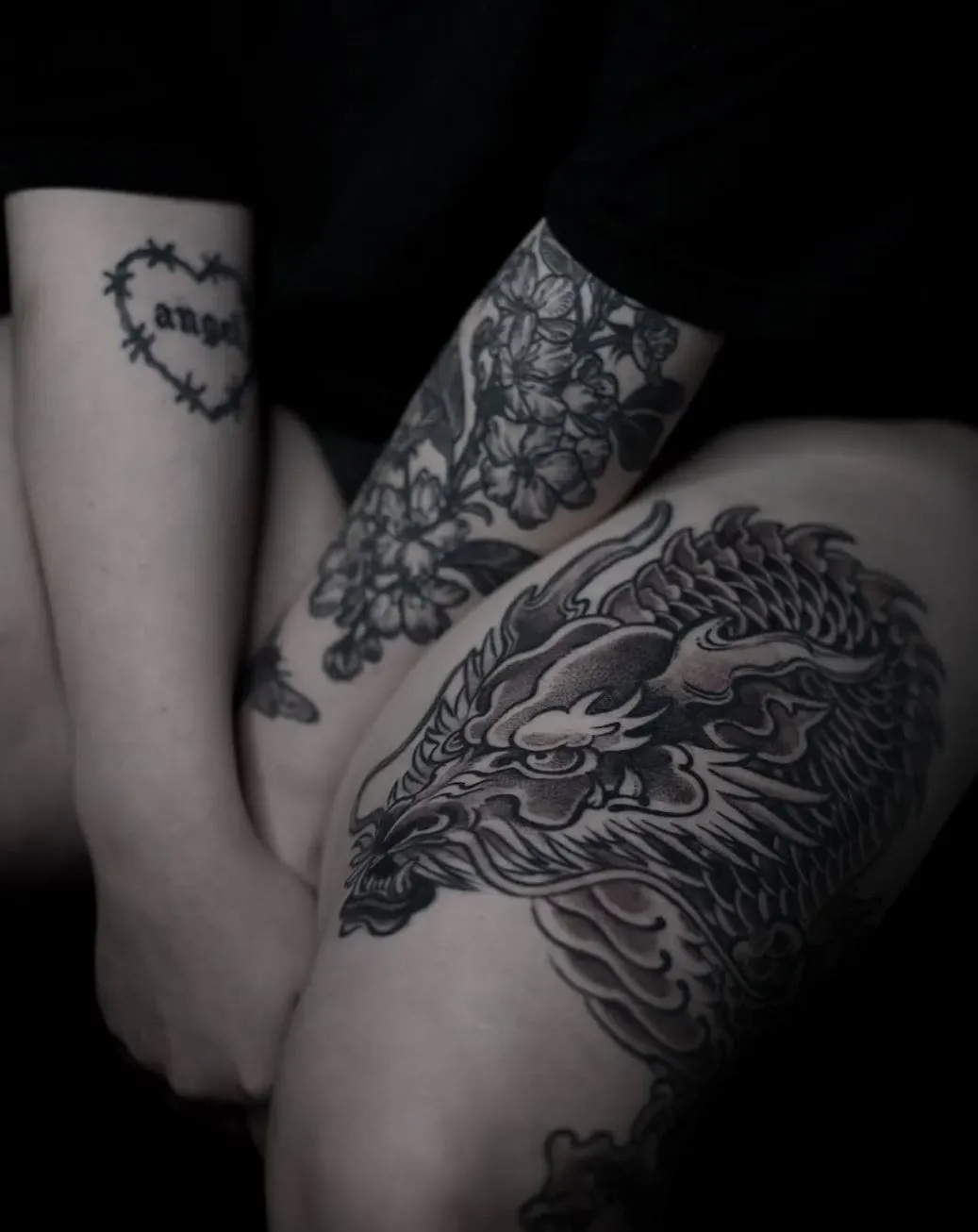
Dermatologists view tattoos as a skin procedure, not just an artistic choice. To them, every tattoo involves breaking the skin barrier, implanting tattoo ink, and relying on the body’s healing process. That’s why their advice often overlaps with tattoo safety rules in any good tattooing studio.
A dermatologist will usually explain that the type of tattoo matters — cosmetic tattoos, decorative pieces or medical tattoos (such as nipple reconstruction) all carry slightly different risks. They’ll also highlight the role of tattoo artists in maintaining strict hygiene. If your tattoo studio doesn’t use a heat-sterilisation machine, disposable gloves and single-use tattoo kits, dermatologists will see red flags.
Dr. Emily Rowe, a Brisbane-based dermatologist, tells her patients: “Tattoos aren’t unsafe by default. They become unsafe when sanitary equipment isn’t used, when contaminated ink is applied or when aftercare is ignored.”
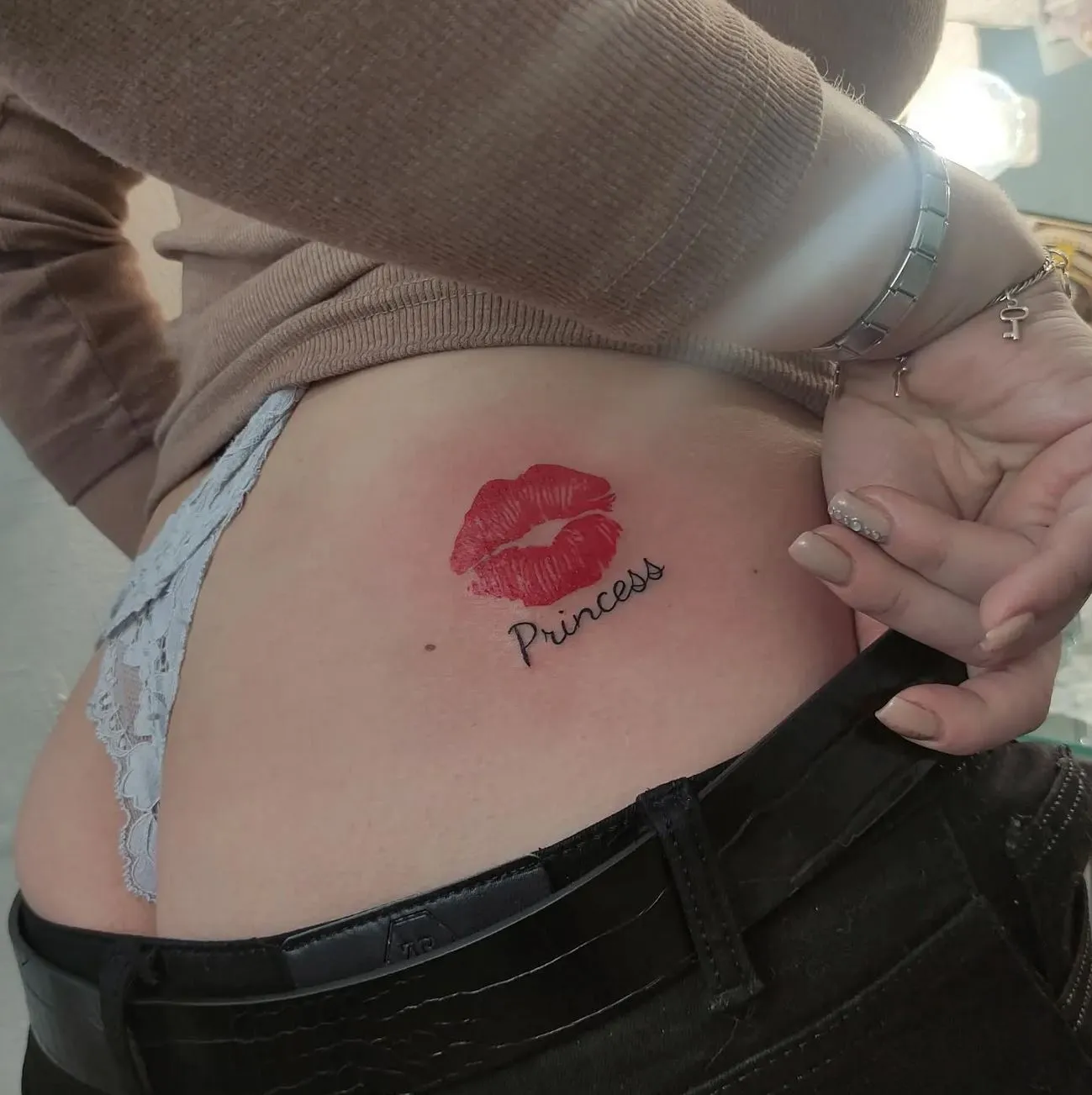
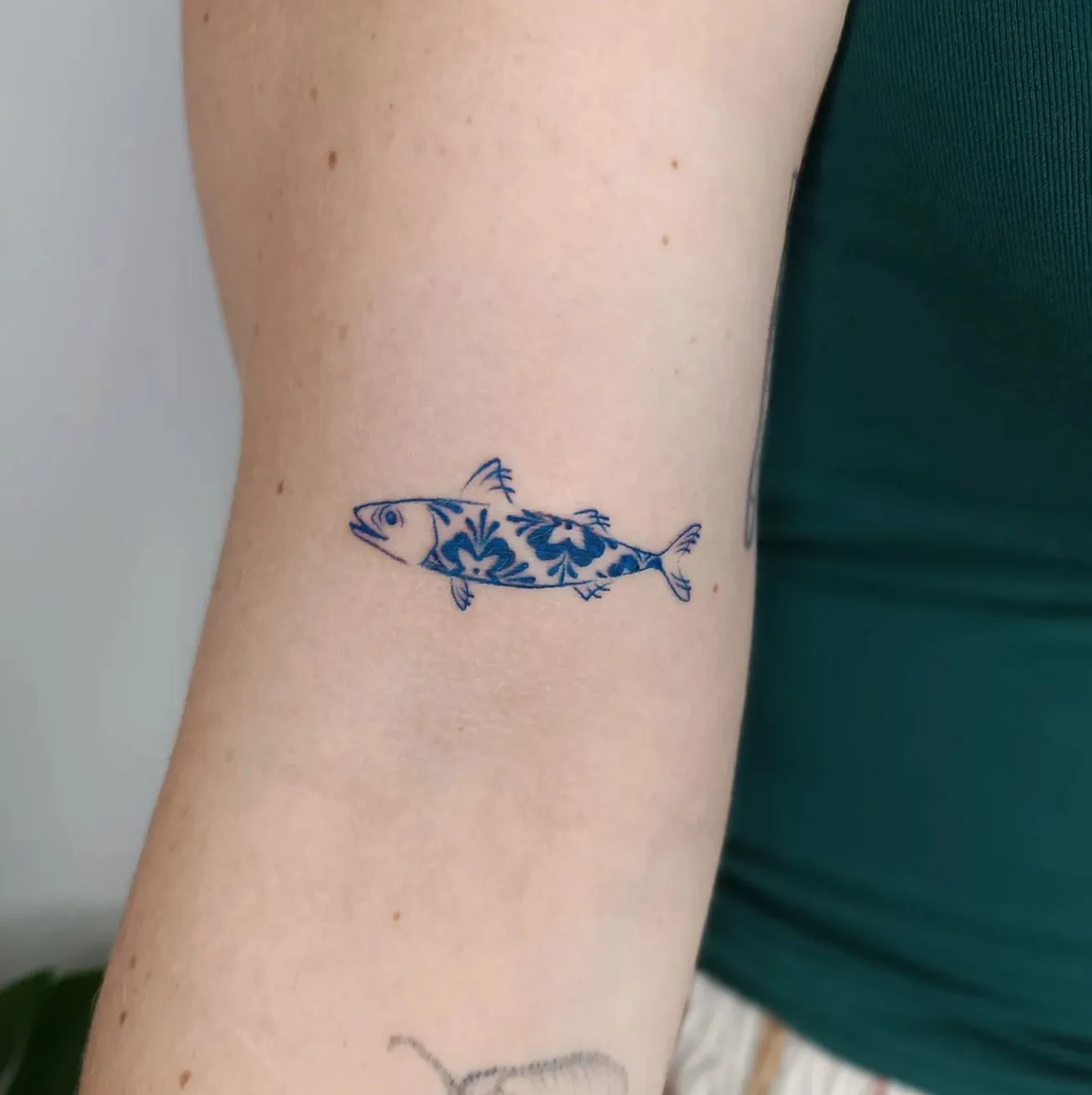
Even in the cleanest tattooing studio, some people will experience skin reactions. These can range from mild irritation to full-blown medical complications. Dermatologists treat:
We had a client who came in with a raised, itchy reaction on her back 6 months after a tattoo. Her dermatologist said it was a pigment allergy. With medical review and options for tattoo removal, she went for laser.
Tattoo ink is the heart of every design, but it’s also the most misunderstood. Dermatologists say ink isn’t regulated like prescription products. Cheaper inks may contain heavy metals, plastics or contaminants.
The Centres for Disease Control and Prevention (CDC) has even reported outbreaks linked to contaminated ink batches. That’s why choosing a reputable tattoo studio matters — professional tattoo artists will only use certified inks and follow tattooing rules for safety.
Dermatologists advise asking:
If a studio can’t answer confidently, walk away.
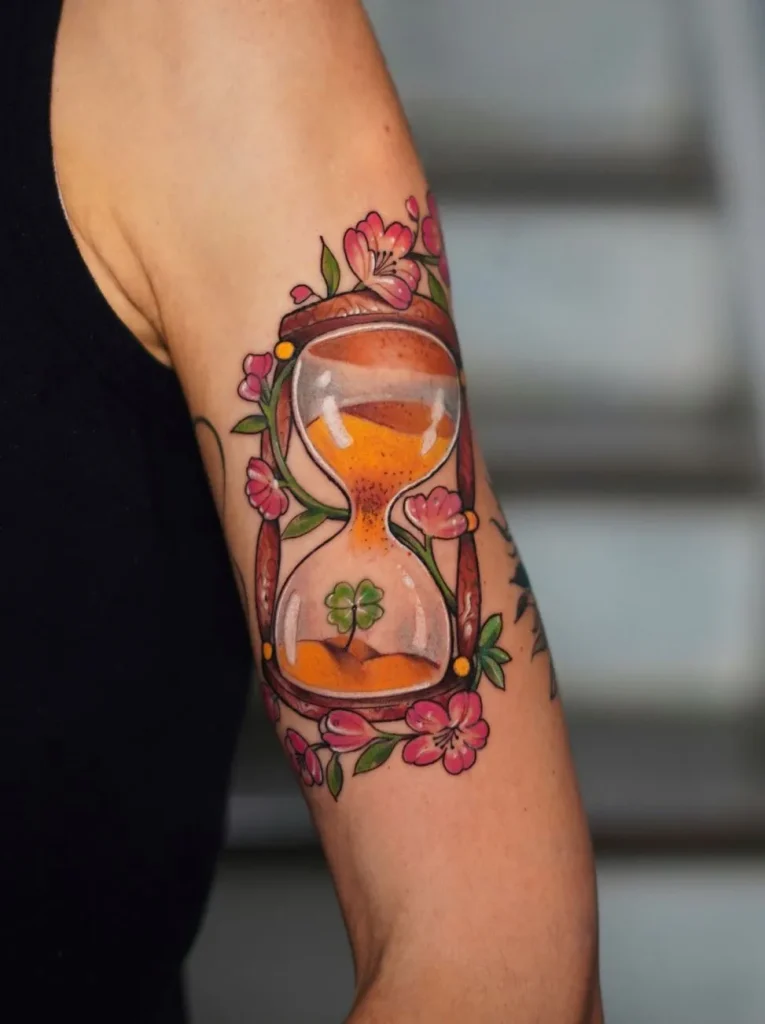
When regret strikes, dermatologists are quick to say laser tattoo removal is the safest treatment option for most people. Q-switched or picosecond laser treatment shatters tattoo ink into tiny particles that the body clears out.
But dermatologists are honest about the process:
Dermatologists will often pair removal with advice on sun exposure and skincare since healthy skin responds better to treatment.
We’ve seen clients come back post-laser, sometimes with partial clearance, and we’ve been able to apply subtle permanent makeup as a cover-up. Collaboration between tattoo artists and healthcare professionals gives the best results.
p>Every dermatologist we know says sun exposure is the number one enemy of tattoos. Queensland’s UV rays don’t just fade pigment — they damage skin and increase melanoma risk.
For tattooed skin, dermatologists recommend:
We had a Brisbane client with a beautiful floral shoulder tattoo that faded in just two summers of beach days without sunscreen. Dermatologists weren’t surprised — UV damage accelerates fading dramatically.
After the first healing weeks, dermatologists think about long-term tattoo safety. Their top concerns are:
Statistically, around 10% of people will experience tattoo-related complications at some stage; most are minor. Dermatologists recommend regular skin checks, especially in Australia, where skin cancer rates are the highest in the world.
Dermatologists’ advice often mirrors good tattoo studio practice. Their tattoo safety checklist is:
When tattoo artists and dermatologists are on the same page about safety steps, clients have fewer complications and better results.
A doctor will always assess your skin type before giving advice. Different tones and textures heal differently:
Dermatologists’ expert opinion is that patch tests or small test tattoos are wise for people with a history of allergic reactions or sensitive skin.
Permanent makeup — brows, lips, eyeliner — gets the same dermatological scrutiny as decorative tattoos. Dermatologists approve when done safely, but stress:
At our Cosmetic Tattoo Studio Brisbane, Face Figurati, we see every day how the right mix of artistry, hygiene and dermatologist-backed safety steps can make tattoos a lifelong positive choice.
So, what do dermatologists say about tattoos? Their expert opinion is clear: tattoos can be safe and beautiful when proper tattoo safety rules are followed. From preventing allergic reactions to advising on laser tattoo removal, dermatologists focus on keeping skin healthy for the long term.
As tattoo artists, we couldn’t agree more. Whether it’s permanent makeup in Brisbane or a first-time sleeve, the key is simple: respect your skin, choose a safe tattoo studio and listen to professional advice.
Still unsure if a cosmetic tattoo or removal treatment is right for you? Send us a message — we’re always happy to chat about skin type, safety steps and treatment options with you.

Using only natural and eco-friendly components for cosmetics
Special unique receipes are the secret of our spa procedures.
Experienced and skilled staff will make your perfect day
Most of our beauties come from the recommendation
No. Tattoos don’t cause cancer, but they can hide moles or signs of melanoma. That’s why dermatologists recommend regular skin checks.
Not common, but they do happen — especially with red and yellow pigments. A healthcare professional may recommend patch testing.
Use sunscreen daily, follow safety steps after tattooing and avoid exposing healing tattoos to bodies of water. Keep your skin clean and moisturised.
Laser tattoo removal is the main treatment option, though surgical excision or dermabrasion exists. A dermatologist will guide you based on your tattoo type.
Any tattooing studio should use sanitary equipment, heat-sterilisation machines, disposable gloves and certified tattoo kits. Always check before booking.