“How to spot a bad tattoo artist?” is a question we get asked all the time in our Brisbane tattoo studio. Usually it’s from clients who’ve already had a not-so-great experience in other tattoo shops and now need advice, correction or just reassurance. The reality is simple: tattoos can be empowering, stylish and meaningful — or they can be permanent reminders of regret.
I’m Julia Kasperska, and together with Anastasia Petkov, we’ve spent over 15 years working in licensed tattoo studios across Europe and Australia. In that time, we’ve fixed countless poor tattoo designs, patchy brows, uneven lip blushes and body art that didn’t heal well. Our goal here is to give you the no-nonsense guide to spotting a bad tattoo artist so you can avoid the pain, cost and disappointment of ending up in the wrong chair.
A tattoo isn’t a beauty product you can wash off. Once it’s in your skin, it’s there for years — sometimes for life. Removal is possible, but it’s costly, time-consuming and often incomplete. That’s why choosing the right tattoo artist from the start is crucial.
In Brisbane, new tattoo parlours and studios open every year, but not all of them follow proper hygiene or artistry standards. A study published in the Australasian Journal of Dermatology reported that 15% of Australians with tattoos have experienced complications such as allergic reactions, infections or poor healing. Most of these cases come down to poor technique, cheap pigment or lack of proper hygiene — all signs of a bad tattoo artist.
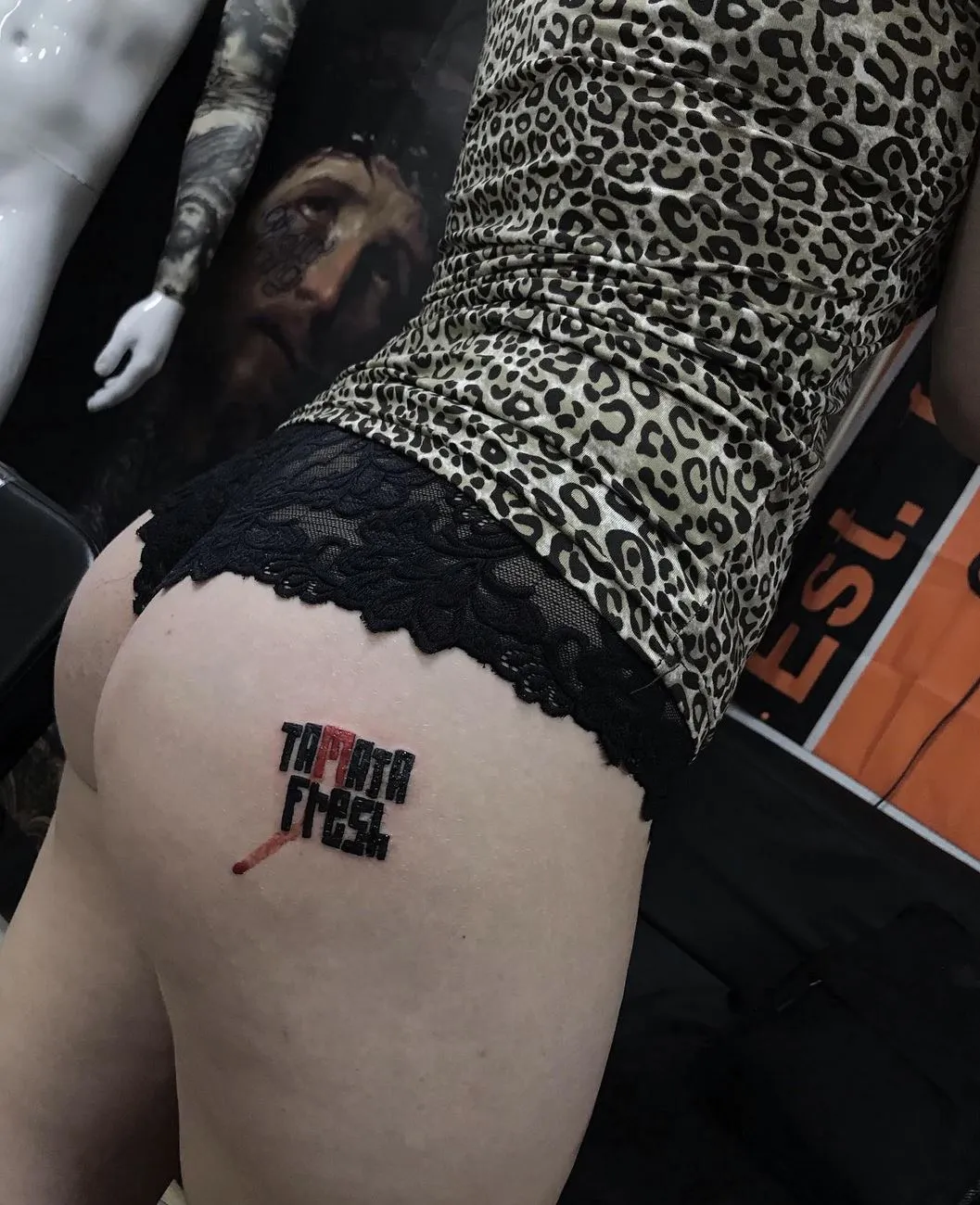
As soon as you walk into a tattoo studio, your gut should tell you if the environment feels safe. A clean and organised space is non-negotiable. If you see clutter, dust or mess around tattoo machines or benches, walk away.
Warning signs of a dodgy studio include:
A professional, licensed tattoo studio will feel more like a medical space than a garage. Remember — your health depends on it.
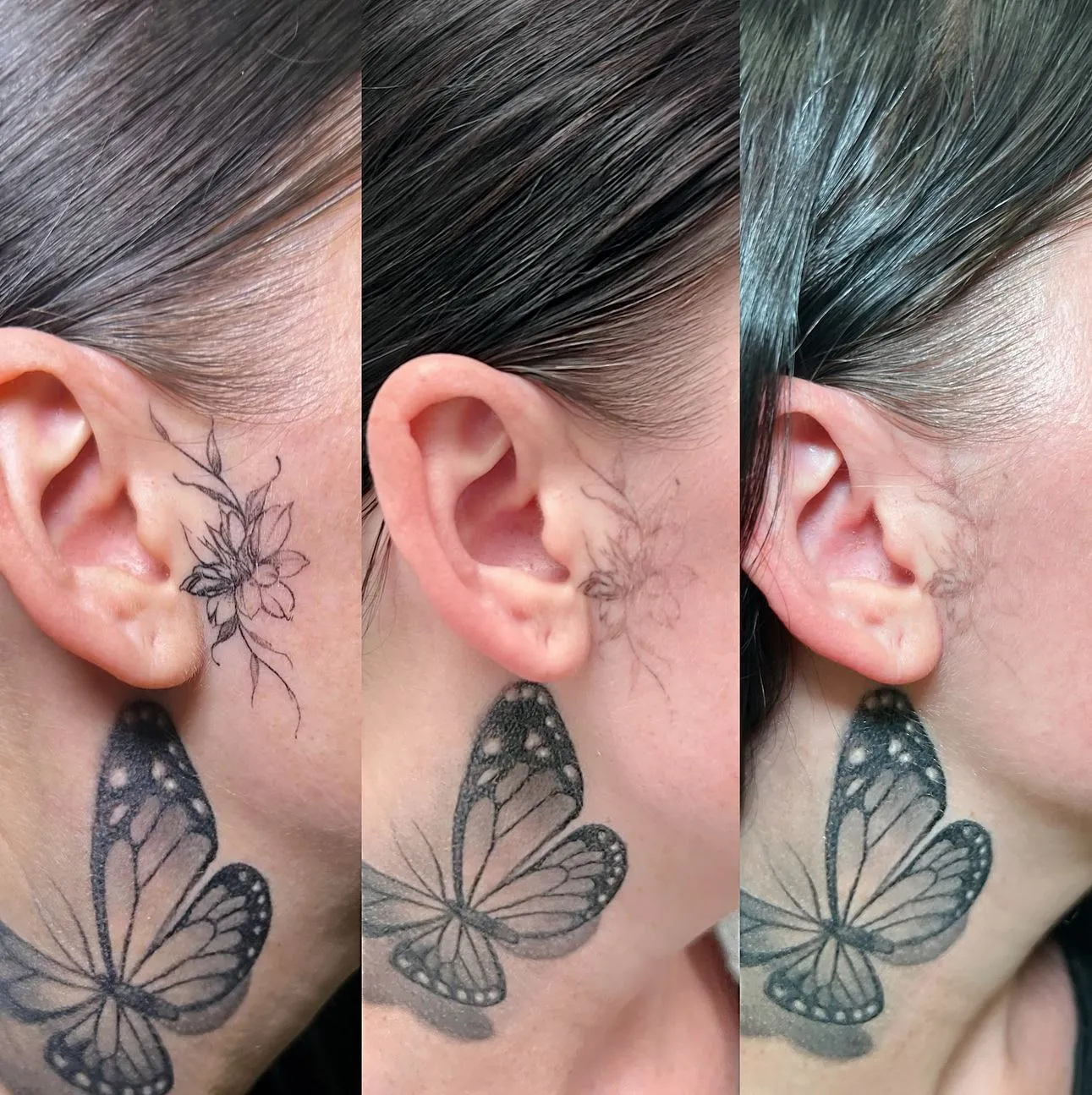
A great artist’s work speaks for itself, but you need to know what to look for. Most tattoo shops post fresh tattoos online, but fresh ink can be deceiving. The real truth comes from healed tattoos.
When checking portfolios, look for:
If an artist only shows identical brows or the same lip blush shade on every client, it’s a sign they don’t tailor their work to individuals.
So, how do you spot a bad tattoo artist before it’s too late? These are the biggest giveaways we see:
A professional artist values collaboration. If you feel like just another appointment slot, that’s a red flag.
Bad tattoos aren’t just ugly — they can be dangerous. Poor hygiene can spread serious diseases such as hepatitis B, hepatitis C, and bacterial infections.
In our studio, every single needle is opened in front of the client, machines are disinfected between uses, and pigment cups are discarded immediately. We wear gloves at all times, and we never reuse anything that touches skin.
If your artist isn’t following these steps, you’re risking your health. Always choose a licensed tattoo studio that treats hygiene like a medical procedure.
| Feature | Good Tattoo Artist | Bad Tattoo Artist |
| Hygiene | Sterile equipment, gloves, and disinfected surfaces | Reused tools, no gloves, dirty benches |
| Portfolio | Shows healed tattoos and custom tattoo work | Only fresh pics, same designs on every client |
| Consultation | Takes time, answers questions, and explains aftercare | Rushed, vague, dismissive |
| Technique | Smooth shading, clean lines, tailored design | Blurry lines, patchy shading, poor placement |
| Aftercare Guidance | Gives written tattoo care tips and support | No aftercare or vague instructions |
1 in 6 Australians with tattoos experiences a complication — from infections to allergic reactions. While some issues are related to skin type, many are due to poor technique and bad pigment choices.
Common risks include:
We once fixed a client whose tattoo turned grey-green because the artist used unapproved ink in an unlicensed tattoo parlour overseas. Fixing it required multiple saline removal sessions, then new pigment on top.
A consultation is where professionalism shows. In a good studio, your artist will:
A rushed or vague consultation is your biggest clue that you’re in the wrong place.
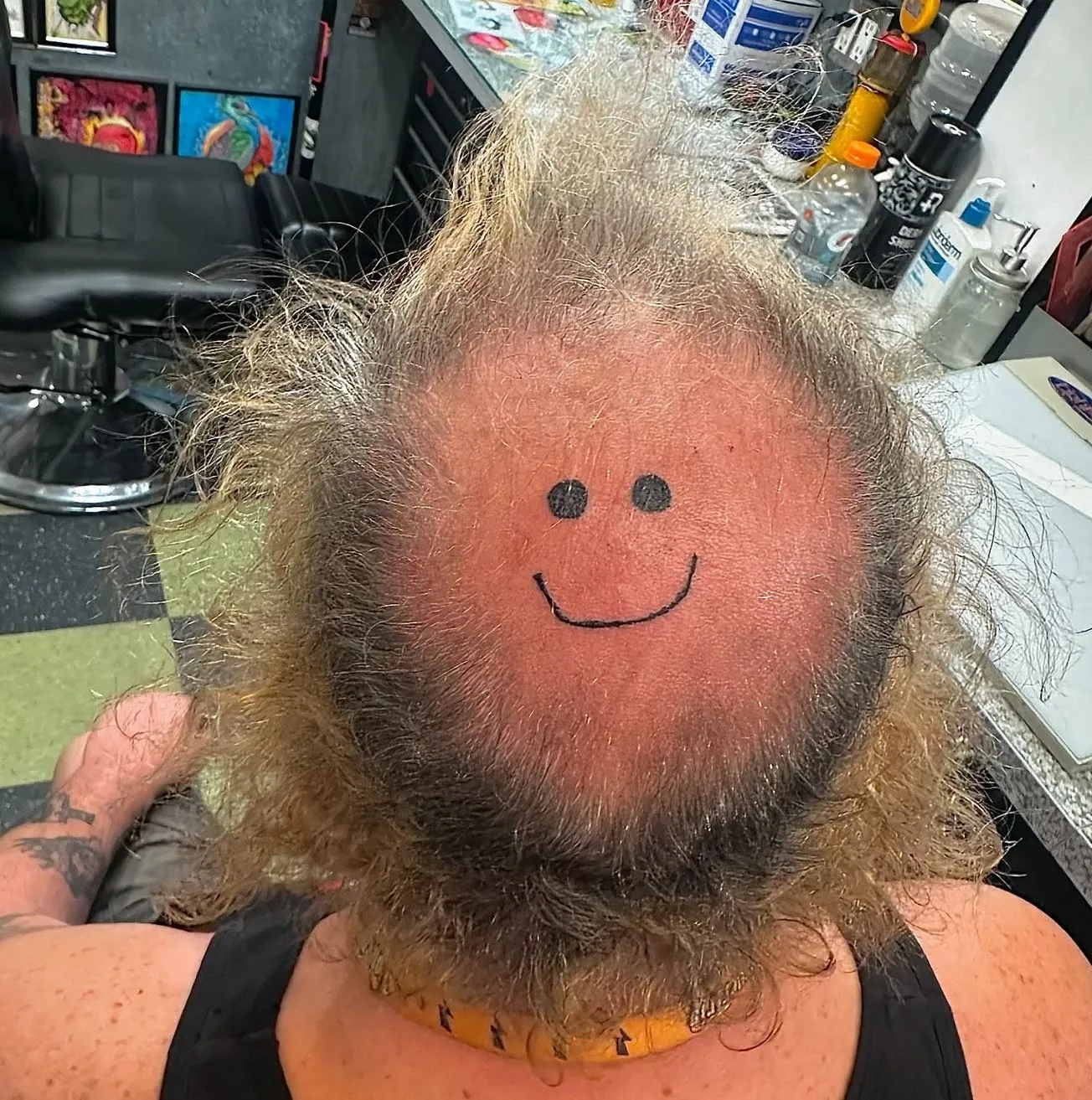
We know tattoos can be expensive, but cutting corners is risky. If a deal sounds too good to be true, it usually is.
Cheap tattoos mean:
We’ve fixed countless bargain tattoos — $200 brows that cost clients over $1,000 to fix, or botched eyeliner tattoos that required painful laser removal. A tattoo should be seen as an investment, not a discount gamble.
The tattoo doesn’t end when the machine stops. Aftercare is crucial for proper healing. Good artists will give you written tattoo care tips, covering cleaning, moisturising and what to avoid.
Proper aftercare includes:
Some clients test placement with temporary tattoos before committing — a great way to avoid regret. If your artist doesn’t guide you through aftercare, that’s a sign they don’t care about results.
Tattooing requires training, licensing and years of experience. In Queensland, tattoo artists must work in licensed tattoo studios that follow council hygiene standards.
Questions to ask your artist:
A pro will answer proudly. If they dodge, take that as your answer.
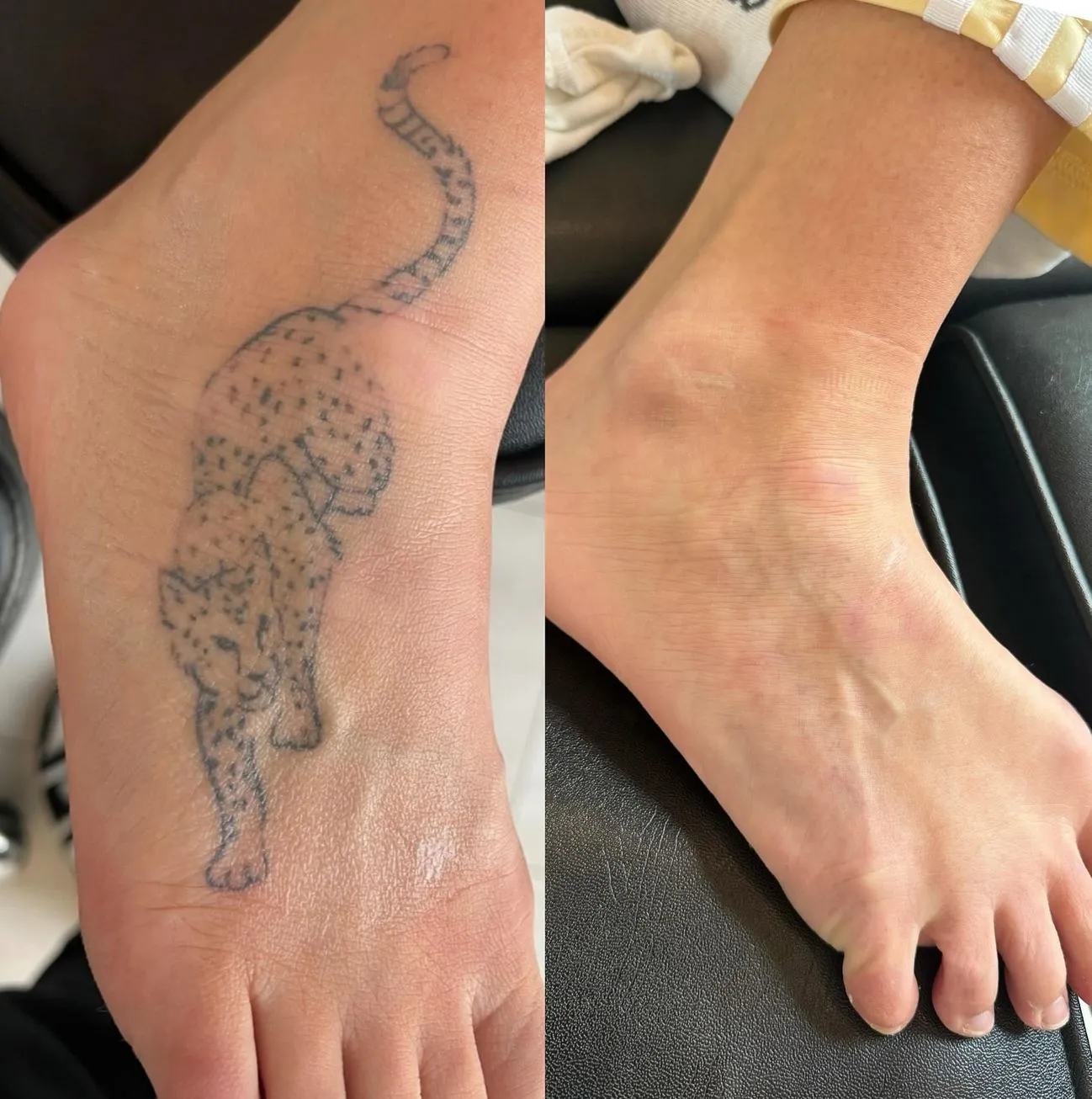
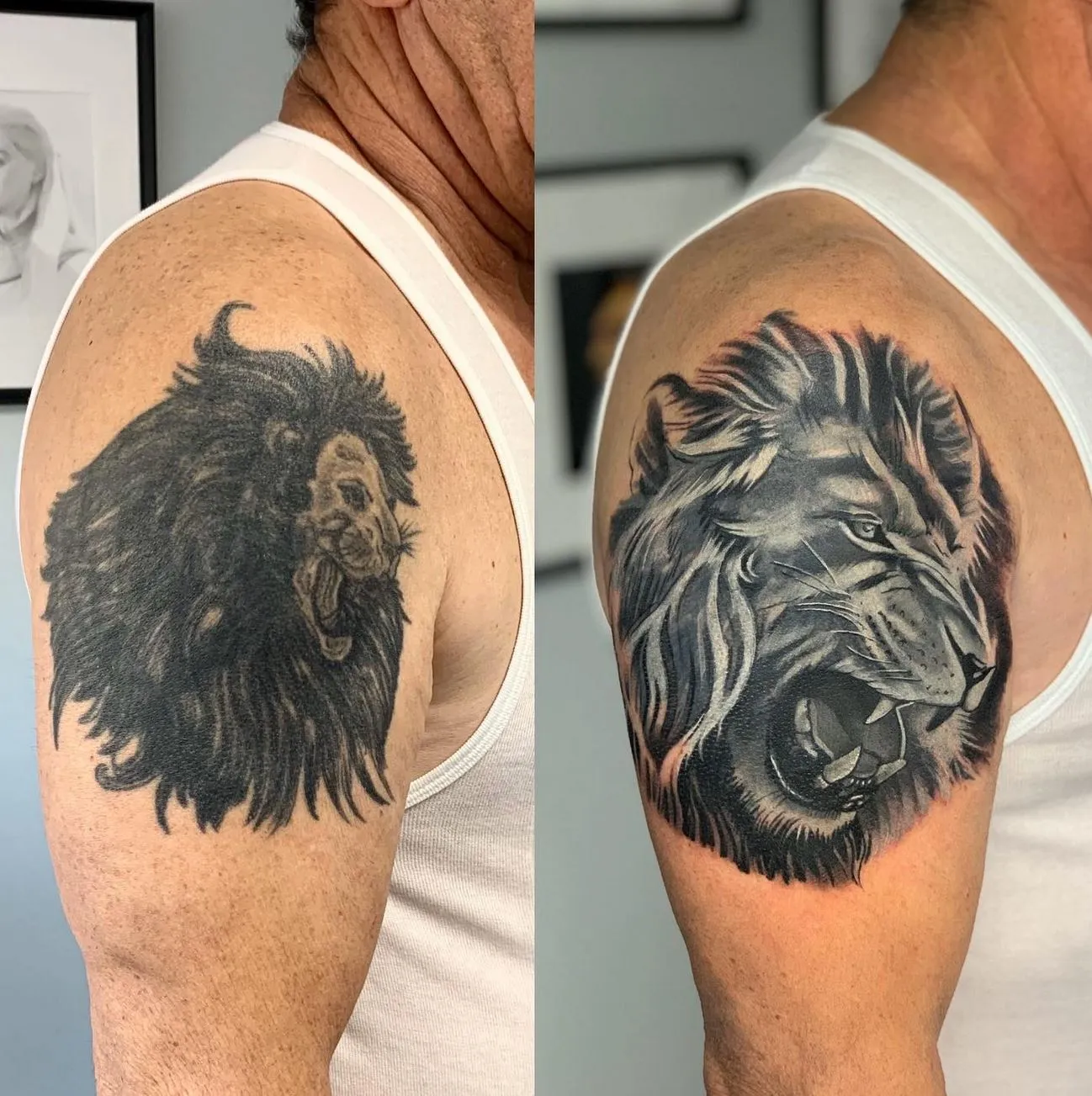
We spend a lot of time fixing bad tattoos. From uneven brows to tattoos that aged badly, correction work is common.
One client came in after getting a “support tattoo” for her child done overseas. Sadly, the shading was uneven, and the lines had blurred. We corrected it with saline removal and a new custom tattoo design that finally honoured her story the way it deserved.
The lesson? Do your research before committing to an artist.
Spotting a bad tattoo artist isn’t hard if you know what to look for: the state of the studio, the consultation process, their portfolio, and how they treat you. At Cosmetic Tattoo Studio Brisbane Face Figurati, we’ve seen both sides — the regret when clients come in with botched work and the relief when they finally find someone they can trust.
Our advice is simple: trust your instincts, ask questions, and never settle for less. Tattoos are permanent — but regret doesn’t have to be.

Using only natural and eco-friendly components for cosmetics
Special unique receipes are the secret of our spa procedures.
Experienced and skilled staff will make your perfect day
Most of our beauties come from the recommendation
If they rush the consultation or dismiss your concerns, that’s your biggest red flag.
Yes. Infections from unsafe tattoo parlours can lead to scarring or hospitalisation.
$600–$1,200 for brows, $500–$900 for lips, $400–$800 for eyeliner. Cheap means risk.
Saline removal, laser removal or covering with a custom tattoo design.
Yes. Every professional must work in a licensed tattoo studio that follows strict hygiene laws.