
When to start washing a tattoo is one of the most common questions we get from new clients in Brisbane. The aftercare window is where the magic happens — a clean, balanced healing process means your tattoo (cosmetic or body art) heals crisp and true to colour. Get it wrong and you risk irritation, poor colour retention or even infection.
As Uliana Kasperska and Anastasia Petkov, licensed cosmetic tattoo artists with over 15 years of combined experience in Europe and Australia, we’ve seen how much of a difference proper washing makes. In our studio, we remind every client that the healing doesn’t end when they walk out the door — it starts.
A fresh tattoo is technically an open wound. Tiny needles have delivered tattoo ink under the skin, creating micro-trauma. That’s why it weeps blood plasma in the first few hours. Plasma is sticky, and if it dries into a thick scab, it can pull pigment out as it falls away.
Washing helps remove plasma, blood clots and excess ointment while protecting your skin barrier. Done gently, it reduces the risk of hepatitis B, hepatitis C or bacterial infection — risks that can develop if fresh tattoos are left exposed to dirt, sweat or contaminated water.
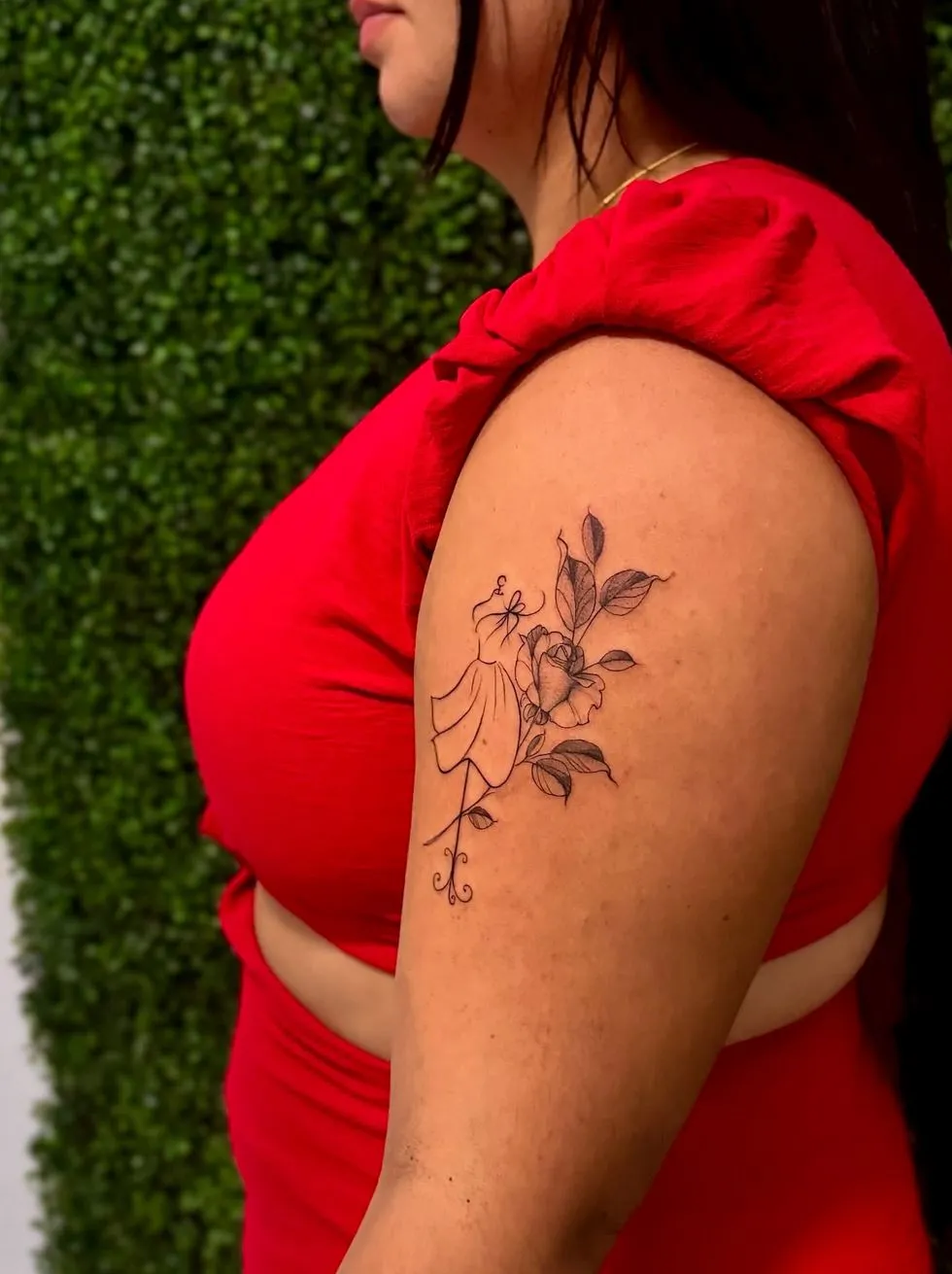
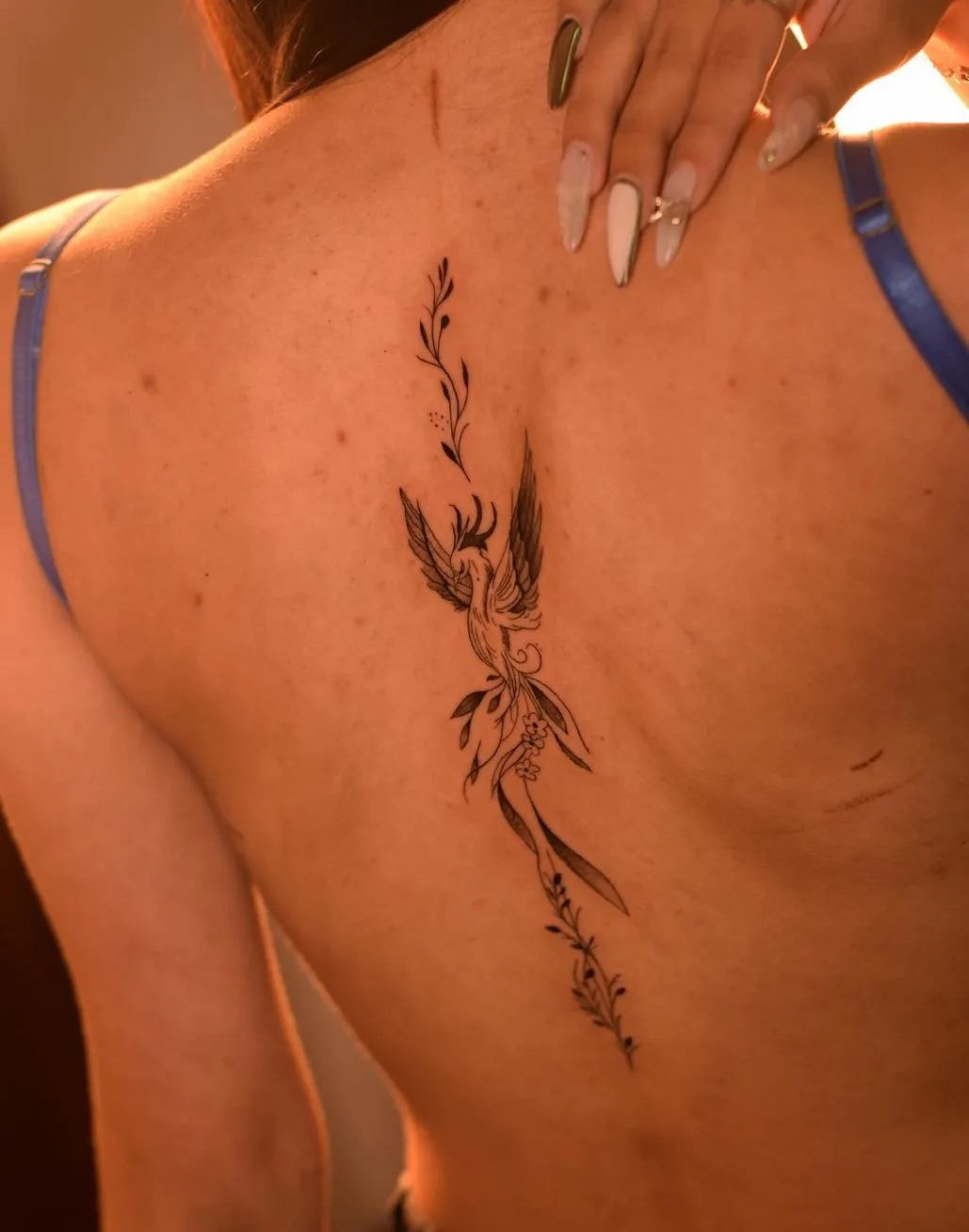
Most professional tattoo artists agree: your first wash should be around 2–4 hours after leaving the tattoo shop. That’s usually when you’ll remove the plastic wrap or second skin film applied during your appointment. Waiting too long risks letting plasma build up under the plastic film, while washing too soon may flush pigment out.
In Brisbane’s climate, where the humidity is high, we generally recommend not sleeping overnight with the wrap on — it traps sweat and can cause skin irritation. Instead, wash gently before bed, then reapply a light breathable dressing if your artist suggests it.
| Healing Day | Washing Guidelines | What You’ll Notice |
|---|---|---|
| Day 1 | First wash 2–4 hours after wrapping is removed | Plasma, slight ink residue |
| Day 2–3 | Wash gently 2–3 times daily | Redness, mild swelling, and early scabs |
| Day 4–7 | Continue washing once or twice daily | Peeling skin, itchiness, duller colour |
| Week 2–3 | Wash once daily with hypoallergenic soap | Patchy look as pigment resurfaces |
| Week 4+ | Resume normal washing with unscented and unperfumed products | Tattoo settles and colour evens |
Think of tattoo washing like washing delicate silk — too rough and it’s ruined, too gentle and it stays dirty. The technique is simple but must be done consistently:
Don’t use petroleum jelly unless your artist recommends it. Modern tattoo care products like breathable balms or gels work better.
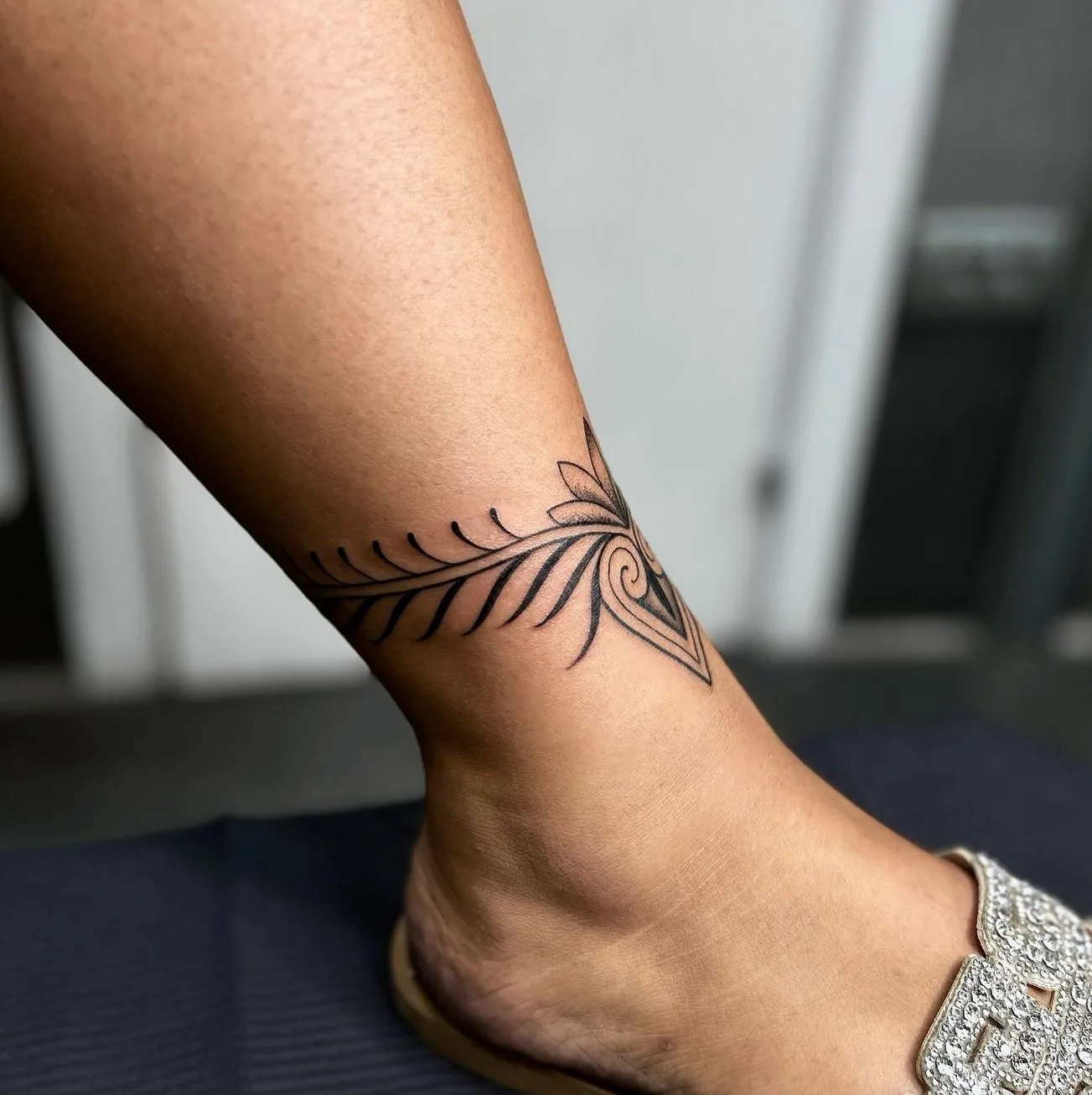
The world of tattoo care products is huge, but not all are skin-safe. Some “natural” remedies can do more harm than good.
Do a patch or allergy test on healed skin if you’re prone to skin reactions.
The first month is about protecting your fresh ink. In our Brisbane studio, we see complications mostly when clients ignore these rules:
Your immune system is doing all the hard work behind the scenes, clotting blood, rebuilding skin and encapsulating pigment particles. That’s why good sleep, hydration and no alcohol all help with recovery.
Our subtropical climate brings its own challenges:
We often recommend breathable tattoo care products and lightweight fragrance-free lotions to prevent irritation in hot, sticky weather.
A Wounds International review (2023) found tattoo infections are 30% more likely without proper aftercare.
Studies in Australia show about 10% of tattooed people get skin reactions like rashes, especially with red ink containing mercury sulphide.
Cases of hepatitis B and hepatitis C are linked to poor hygiene and contaminated water — another reason proper washing and avoiding public pools early on is key.
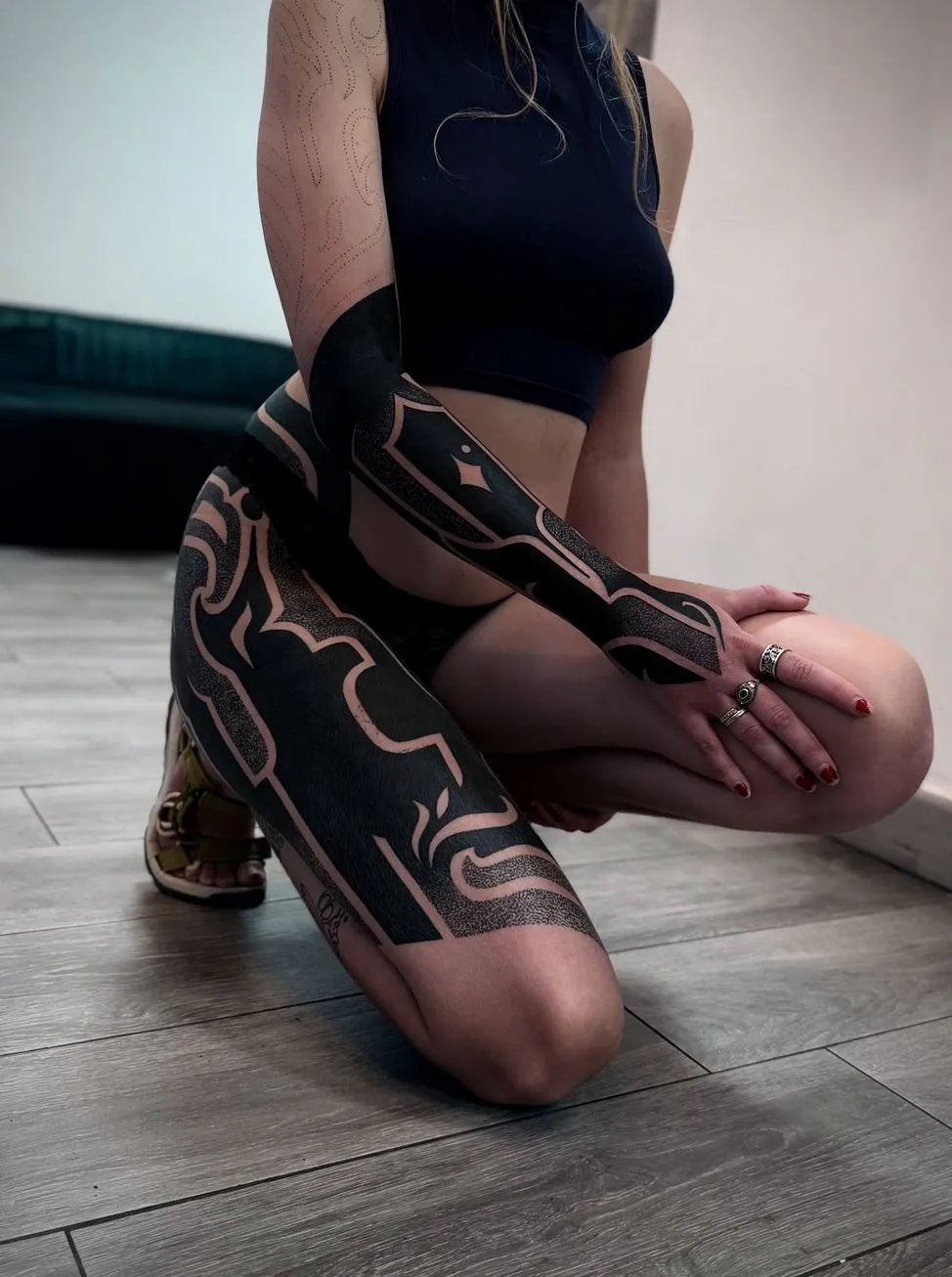
One Brisbane client with tattooed legs went jogging in week one. The sweat, combined with plastic wrap, caused irritation and pigment loss. After a touch-up, she followed proper washing instructions and healed perfectly.
Another client ignored advice, slathered on heavy body lotions, and ended up with clogged pores and scabbing. We switched her to a light, fragrance-free lotion, and her healed results were night and day.
So, when to start washing a tattoo? The safe window is 2–4 hours after your session, then daily gentle washes with tattoo soap or hypoallergenic soap until the tattoo settles. Pair that with light aftercare lotion, strict avoidance of swimming pools, direct sunlight, and fragranced products, and your tattoo will thank you for years.
At our Cosmetic Tattoo Studio Brisbane, Face Figurati, we remind every client that healing is half the artistry. Your tattoo artist creates the design, but your care routine ensures it lasts.

Using only natural and eco-friendly components for cosmetics
Special unique receipes are the secret of our spa procedures.
Experienced and skilled staff will make your perfect day
Most of our beauties come from the recommendation
Yes, but make sure it’s a gentle, hypoallergenic soap — harsh formulas dry and irritate.
No. Swimming pools, hot tubs, and ocean water all increase infection risk during healing.
Switch to unscented and unperfumed products or tattoo-specific balms. Always patch test first.
Red ink often contains compounds like mercury sulphide, which can trigger allergic reactions in some people.
Wait until your tattoo is fully healed (around 4 weeks) before applying SPF. Then stick to SPF 50 for the best protection against UV damage.