
Why is the sun bad for tattoos? We get asked that question almost every week in our Brisbane studio, usually by someone who has just booked their first tattoo or cosmetic tattoo and wants to know how to keep it looking good long term. The answer is simple: the sun is the number one culprit when it comes to tattoos fading, blurring and ageing before their time.
We’re Uliana Kasperska and Anastasia Petkov, certified cosmetic tattoo artists with over 15 years of hands-on experience. We’ve worked on everything from delicate lip blushes and powder brows to corrections of old body tattoos that had been badly beaten up by Queensland UV. Over the years, we’ve learned one truth we’ll happily shout from the rooftops: no matter how good your tattoo artist is and no matter how good the tattoo inks are, without proper sun protection, your tattoo is in trouble..
The sun doesn’t just warm your skin. It’s constantly emitting UVA rays, UVB rays and UVC rays, all forms of UV radiation that damage not only the top layers of skin but also the deeper dermis layer where tattoo pigment is held.
When you sit outside without sunscreen, those rays break down the molecules of your ink pigments. Once those pigments are weakened, your body’s white blood cells treat them as waste and gradually carry them away. That’s why a once vibrant tattoo ends up looking faded or blurry over the years.
The same radiation also harms your skin’s own cells. The result is thinning skin, wrinkling, loss of elasticity and even the development of cancerous cells like squamous cell carcinomas. For us as professionals, it’s not just about keeping tattoos looking crisp — it’s about keeping your skin safe, strong and free of avoidable skin cancer.
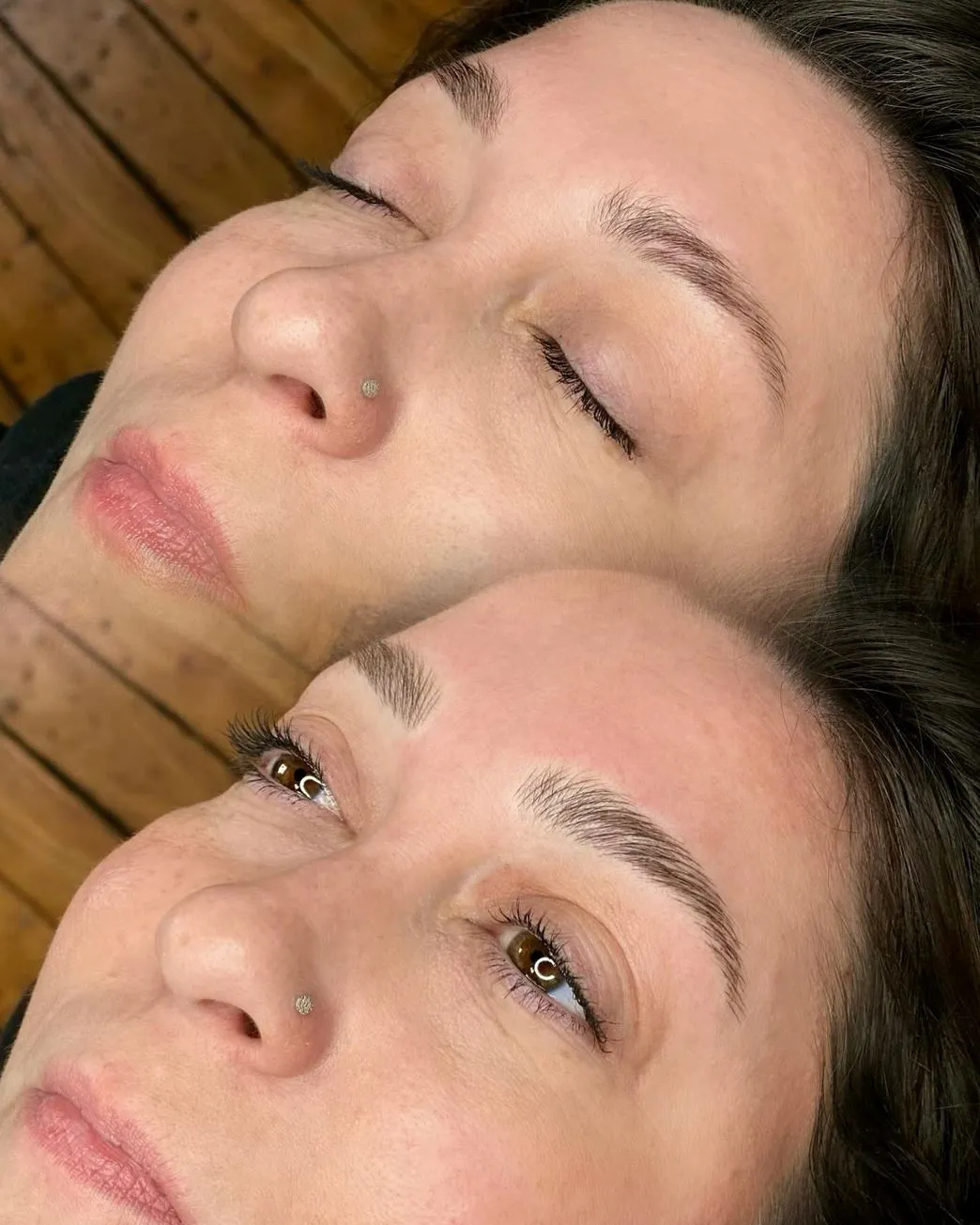
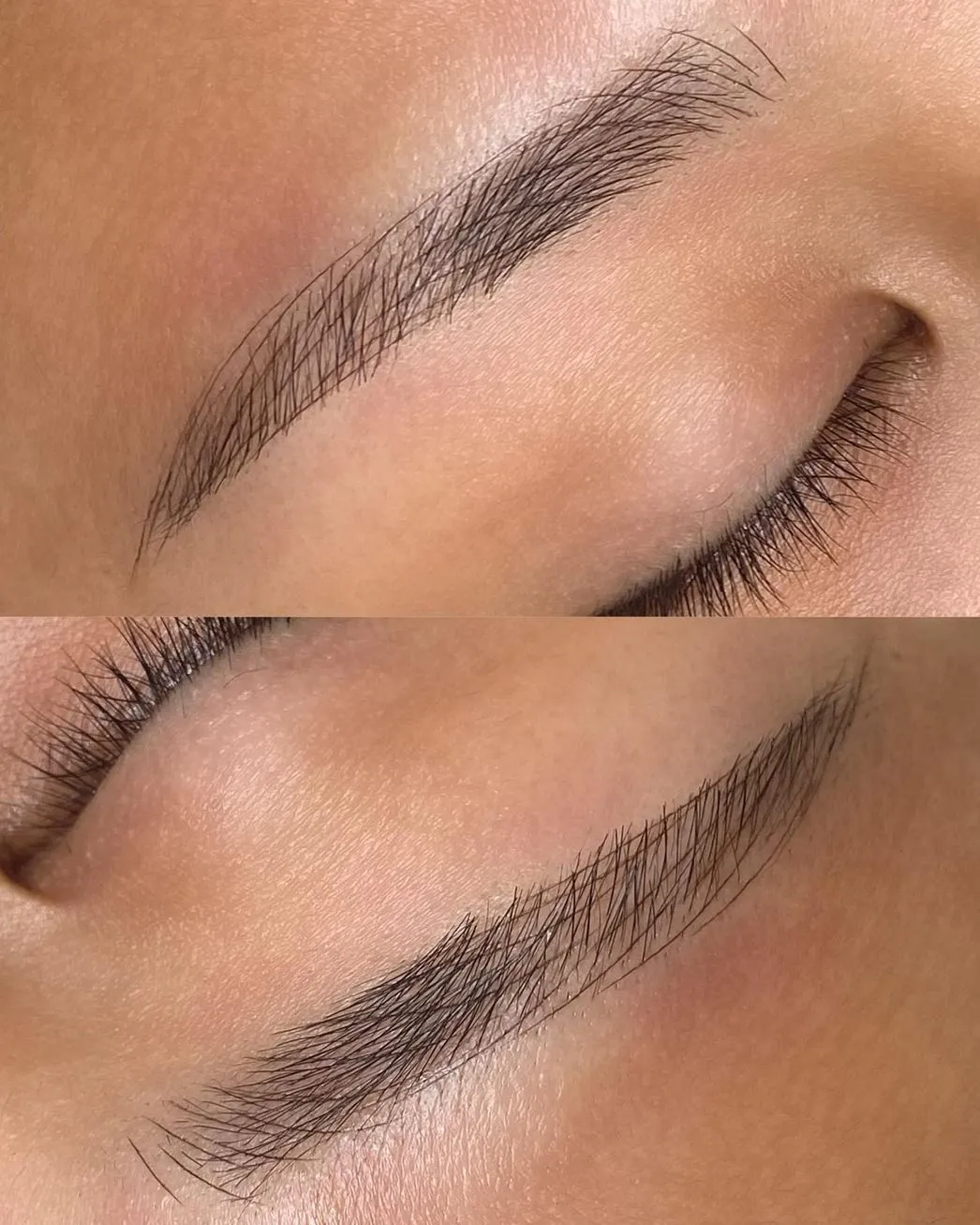
Different colours fade differently. Some inks and pigments are more stable, others are fragile. Reds and yellows are the first to go. Black and dark blue hold out the longest, but will eventually shift to greenish or bluish undertones if you get too much UV exposure.
Here’s the science in simple terms:
If you’re still in the healing stage, UV is even more dangerous. It interferes with the natural scabbing process, can cause uneven healing, increase the risk of allergic reactions and can even cause permanent scarring.
Brisbane is beautiful, but let’s not beat around the bush, our UV levels are brutal. Summer here means UV ratings that often sit in the “extreme” category — 10 to 14. Compare that to a European summer where UV peaks at 5 or 6, and you’ll see why tattoos in Queensland are under attack.
Even a quick drive with your arm on the window ledge exposes your body art to UV damage. A morning walk to get a flat white without a hat or sleeves? That’s enough for the sun to eat away at your pigment.
We remind our clients that sun protection isn’t just for the beach. Tattoos fade in everyday life, whether you’re hanging washing, gardening or walking from the car to the office. The Queensland sun doesn’t discriminate.
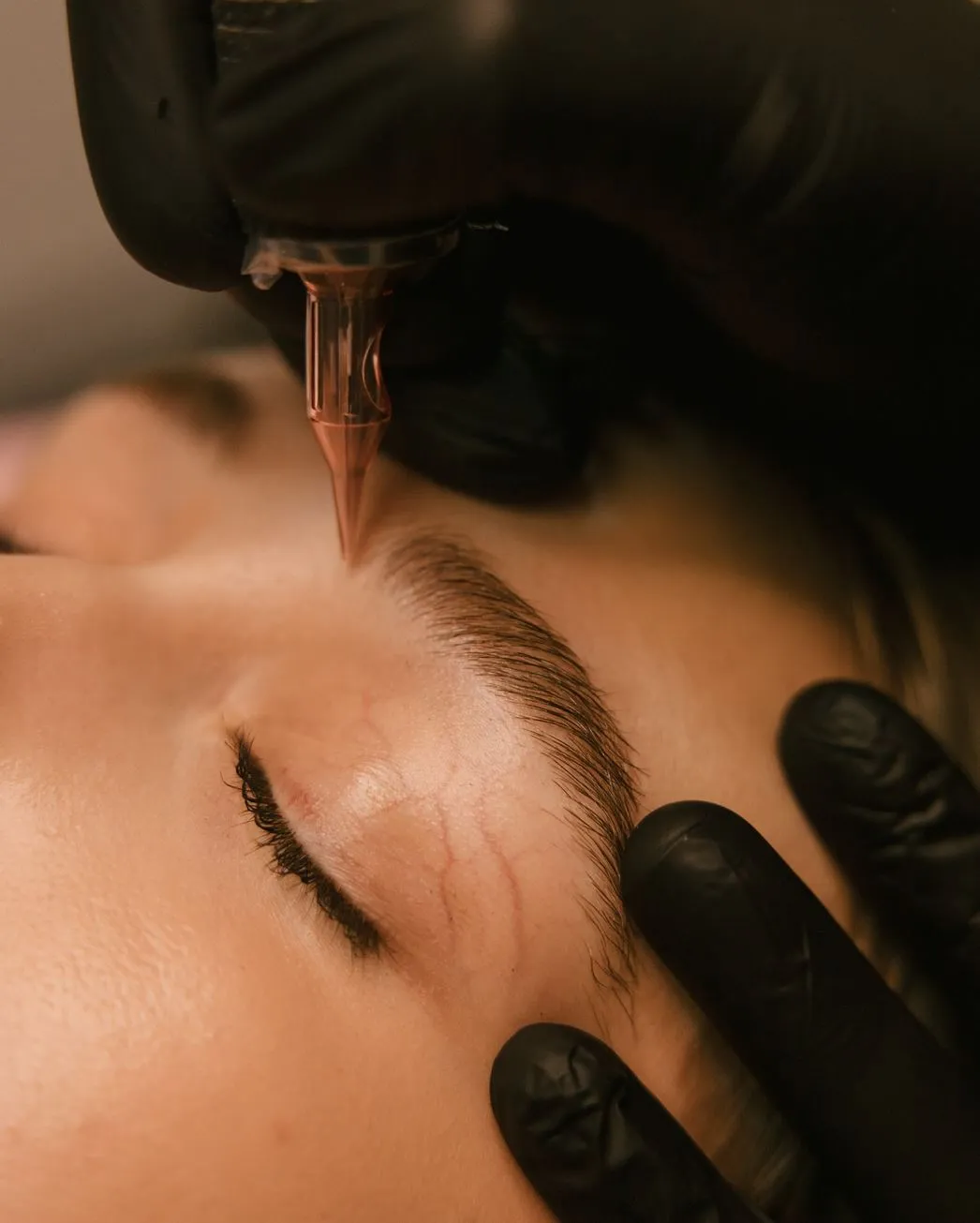
New tattoos and healed tattoos react very differently to the sun. Let’s get into it.
| Tattoo Colour / Pigment | Lifespan Before Noticeable Fading (Without Proper UV Protection) | Notes From Studio Experience |
|---|---|---|
| Black / Dark Blue | 5–8 years | Eventually shifts blue-green under constant UV |
| Red | 2–5 years | High risk of turning pink or orange |
| Yellow / Orange | 1–3 years | Quickest to fade in Queensland conditions |
| Green | 3–6 years | Loses vibrancy, often looks muddy |
| Cosmetic Pigments (Brows/Lips) | 1–3 years | Fade faster due to smaller pigment particles |
Here’s the harsh truth: 90% of visible skin ageing is caused by UV exposure (Skin Cancer Foundation data). That means wrinkles, sagging, dullness and rough texture are mostly sun-driven — not just genetics.
Add tattoos into the mix, and you get double trouble. As the skin weakens, the tattoo above it distorts. We’ve seen beautifully crisp brow tattoos turn wobbly in 5 years, not because of poor work, but because the client didn’t use SPF, and the skin barrier itself started breaking down.
There’s also the more serious side: long-term UV light exposure is the main cause of skin cancer, including squamous cell carcinomas. For tattoo lovers, protecting pigment is inseparable from protecting overall skin health.
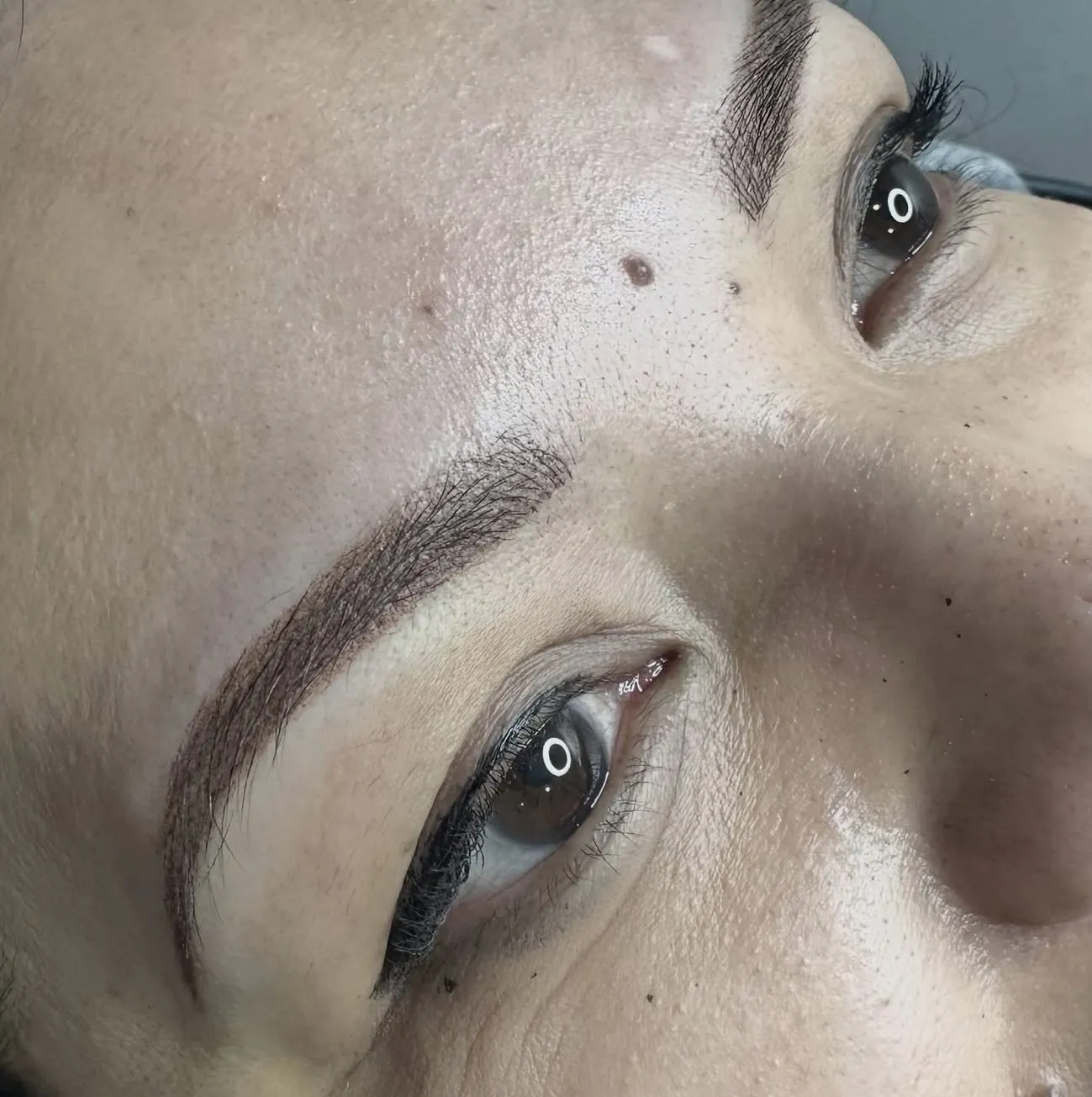
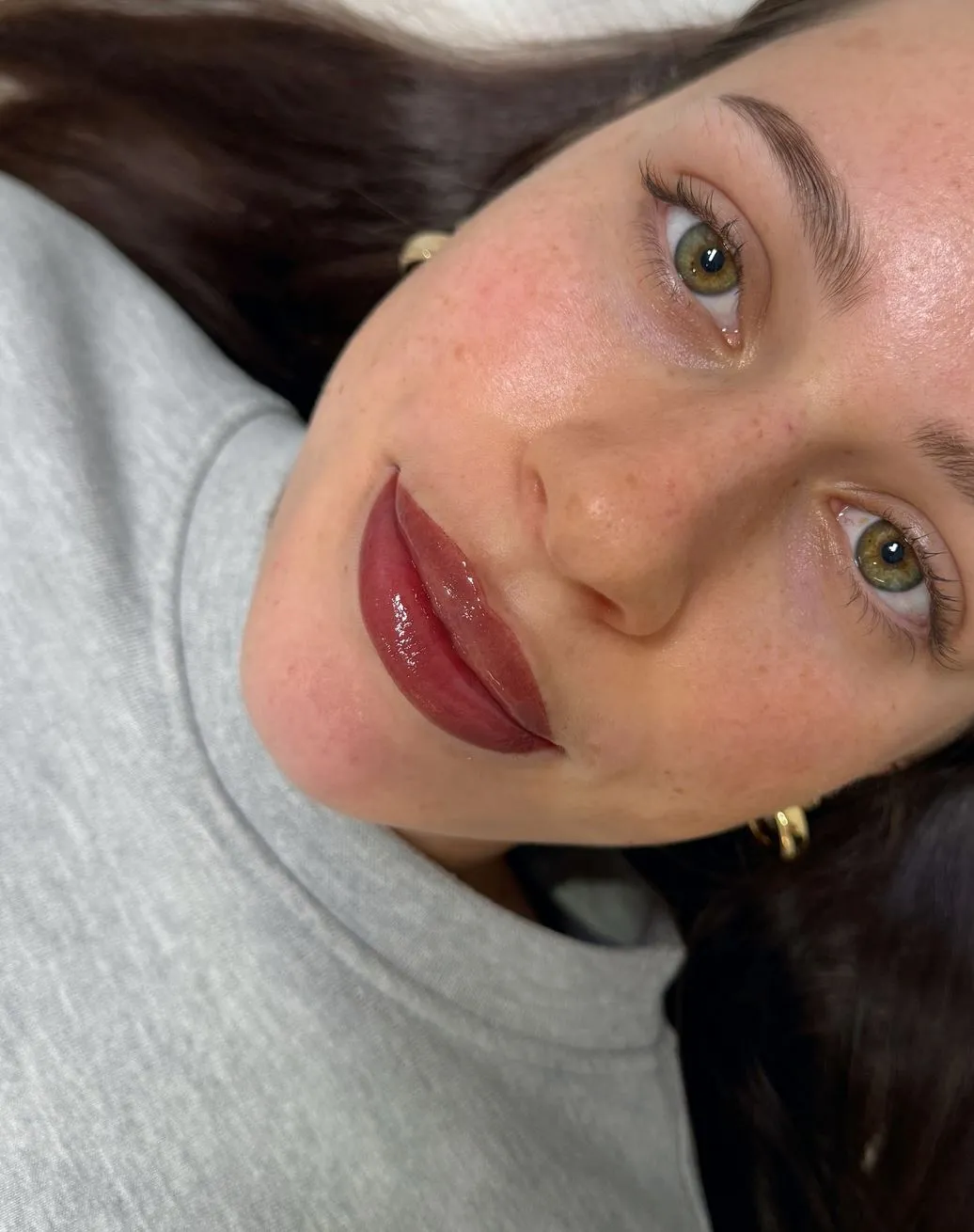
You can’t live in Brisbane without the sun. But you can live here without letting it destroy your ink. Here’s what we recommend:
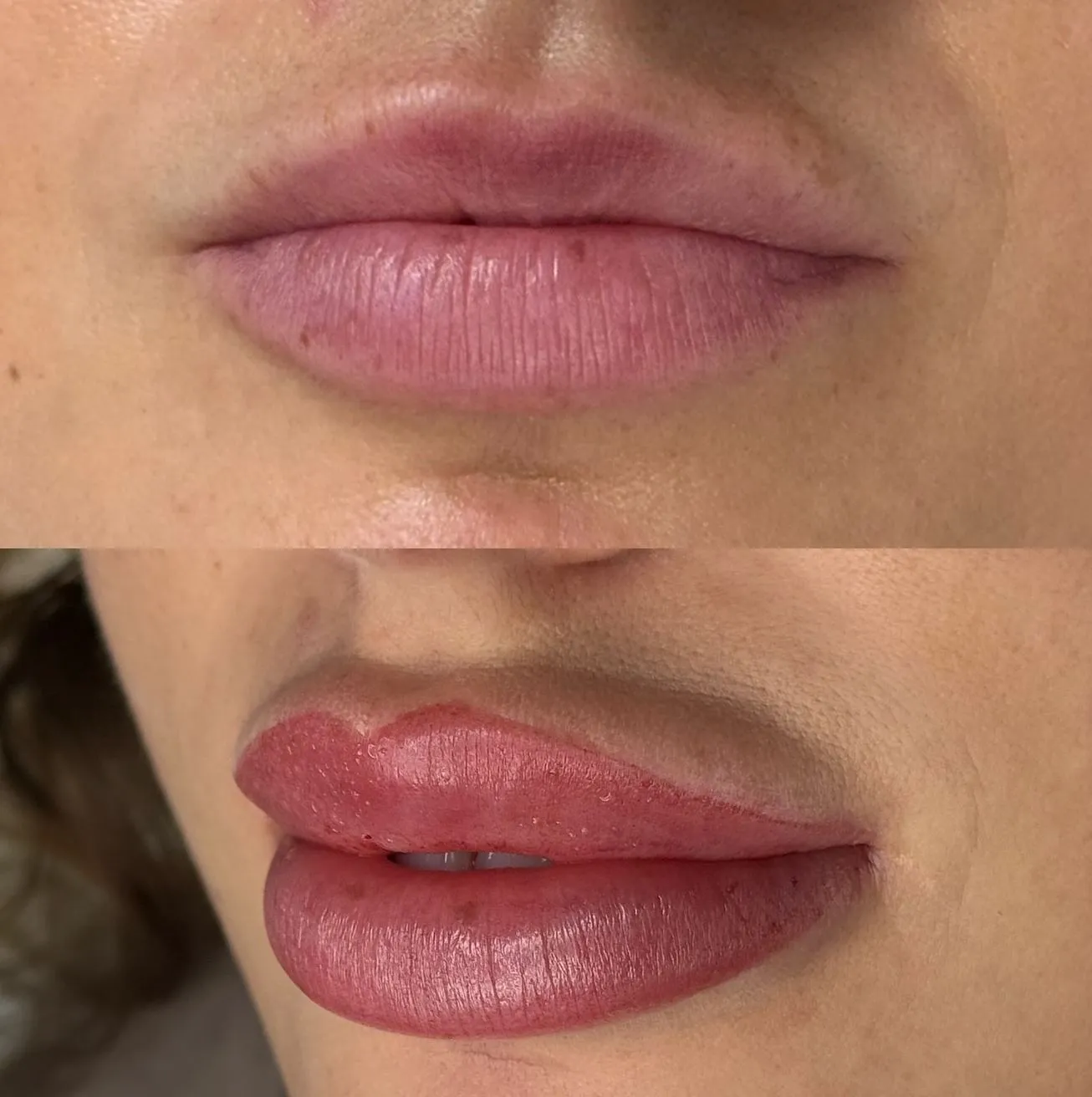
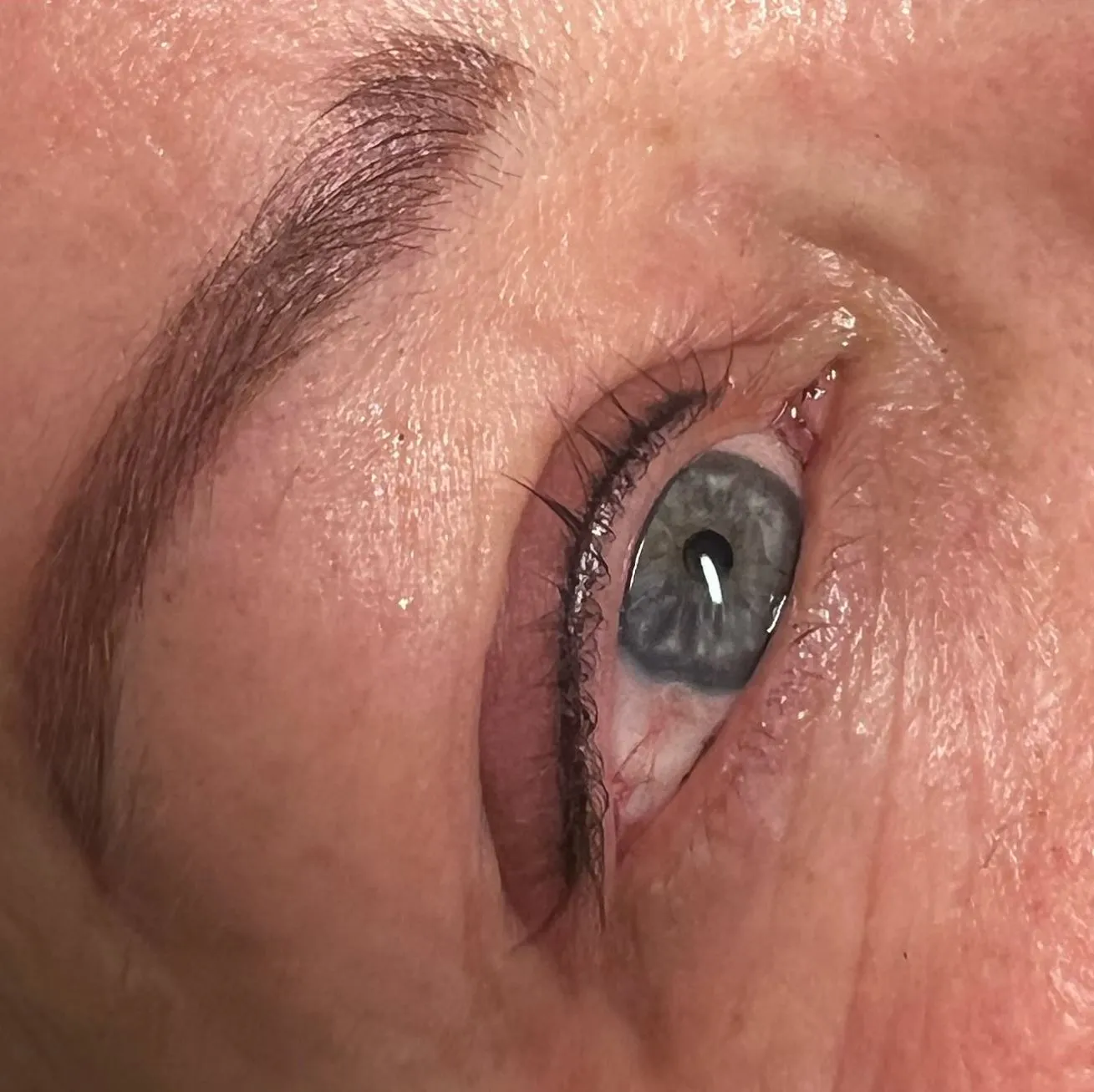
Cosmetic tattoos (brows, eyeliner, lips) are way more vulnerable than body tattoos. Here’s why:
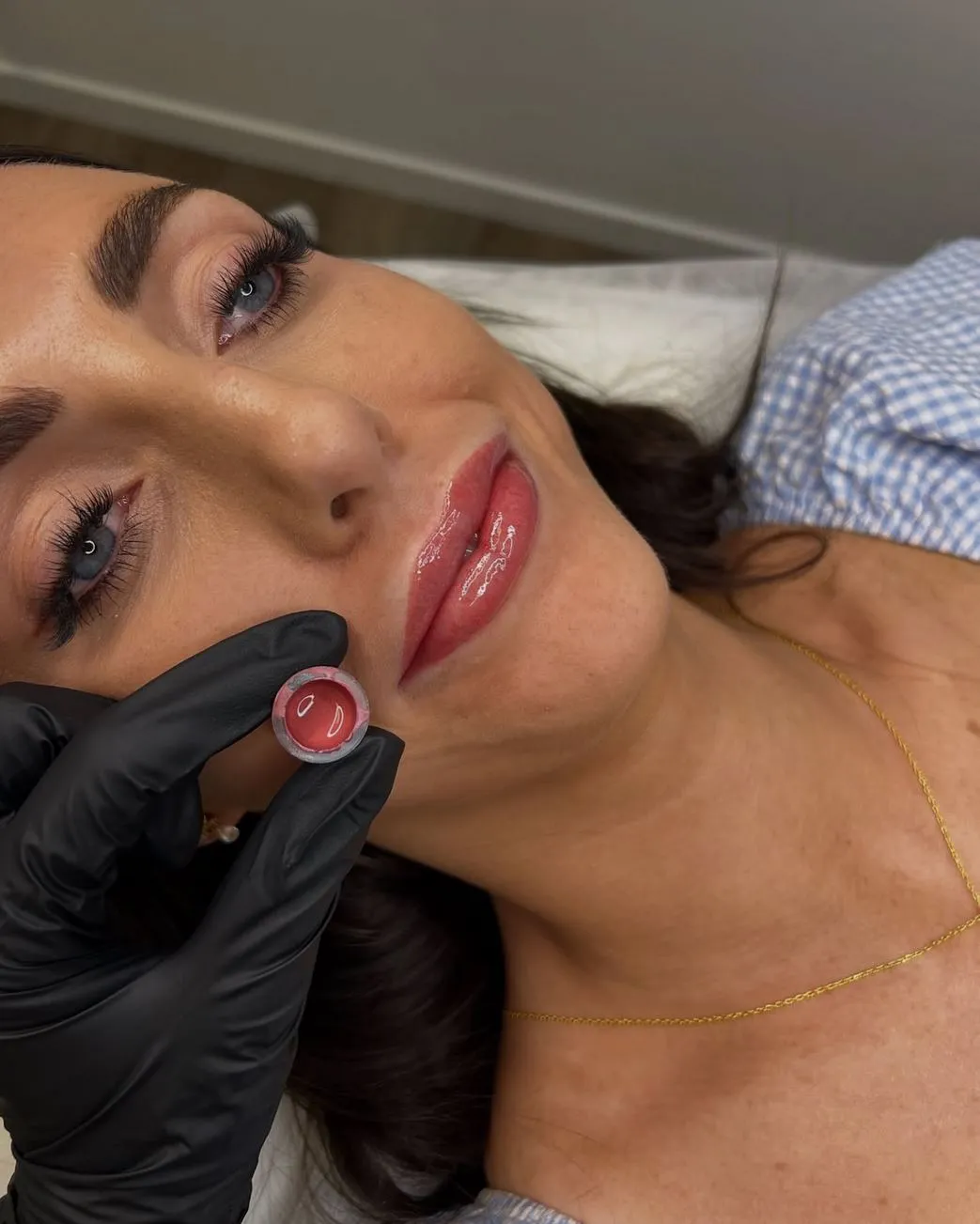
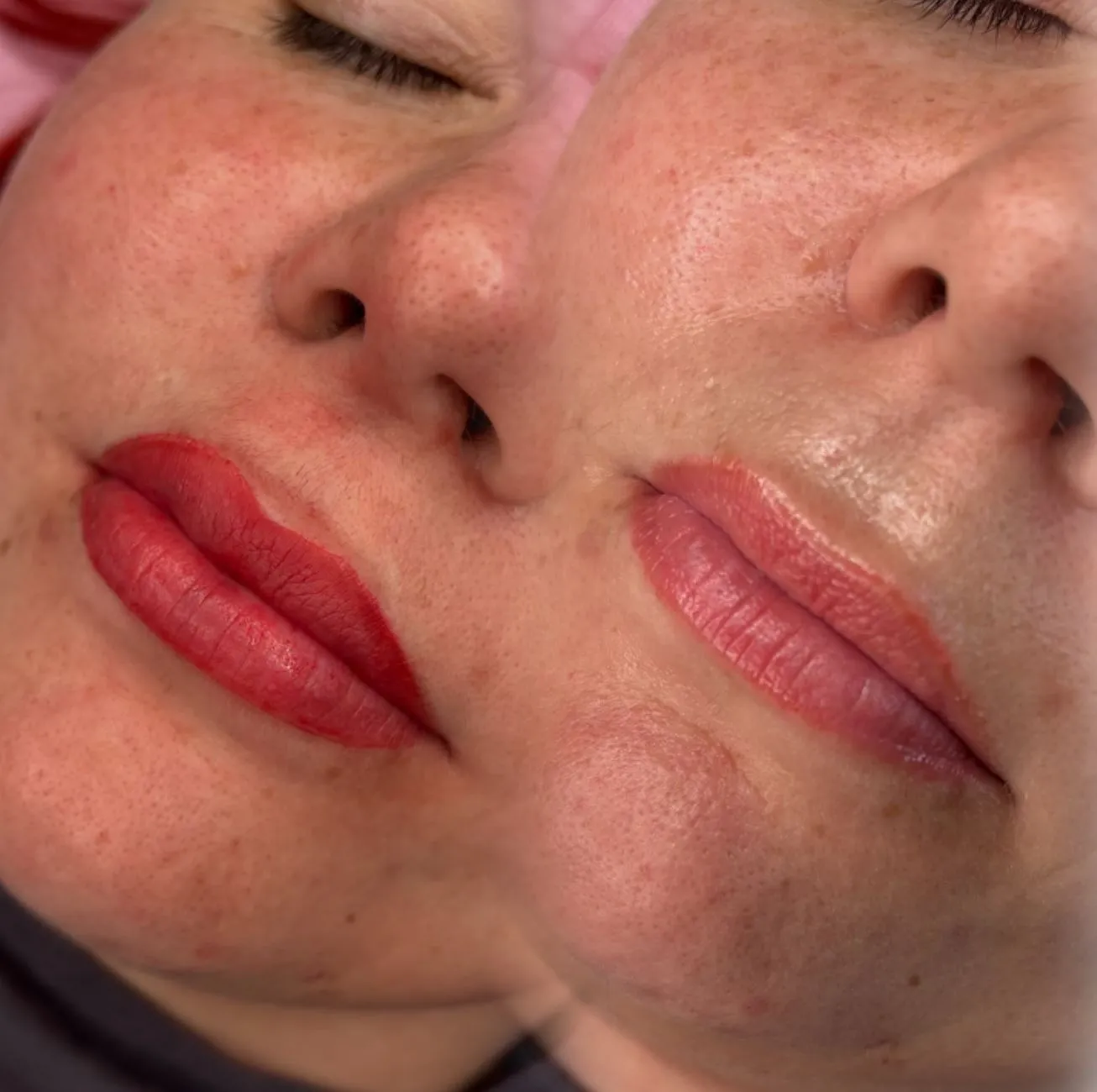
One woman came in with brows that had faded to an odd ash-grey within 18 months. She admitted she wore no hat and only used regular face moisturiser with no SPF. Another client thought aloe vera gel would be enough after a beach day. Her lip blush faded to patchy orange in less than a year.
Both were corrected in the studio with laser tattoo removal followed by re-tanning. But we always say: sunscreen is cheaper than correction.
For personalised aftercare advice and long-lasting results, visit our Cosmetic Tattoo Studio Brisbane, Face Figurati — where safe practice, natural results and genuine client care always come first.
So why is the sun bad for tattoos? Unprotected UV light exposure eats away at your pigment, weakens your skin barrier and increases your risk of skin cancer. Tattoos are an investment, and like any artwork, they need care.
And if you’re ever unsure, we’re here to help. Whether it’s aftercare questions, correction or even advice on laser tattoo removal, you can always book an appointment with us. Tattoos should last, and with the right protection, they will.

Using only natural and eco-friendly components for cosmetics
Special unique receipes are the secret of our spa procedures.
Experienced and skilled staff will make your perfect day
Most of our beauties come from the recommendation
No. During the healing phase, even the best broad-spectrum SPF 30+ is not enough. Wait until the skin is fully closed.
Yes. Formulas with zinc oxide and titanium dioxide physically block rays and are less irritating for healing skin.
In Queensland? Yes. While S
Yes. They emit concentrated UVA and UVB rays, which can fade ink and increase skin cancer risk faster than natural sunlight.
They’re good for comfort but useless for protection. Always pair moisturising lotions, tattoo balm, or aloe vera with actual UV-blocking sunscreen.PF 30 works SPF 50 gives you more breathing room, especially in summer.
Yes. They emit concentrated UVA and UVB rays, which can fade ink and increase skin cancer risk faster than natural sun.