
Is Bepanthen Tattoo Antiseptic? This is one of the most common Tattoo Aftercare questions clients ask as soon as their tattoo artist covers their new ink and sends them home with instructions. Fair enough — fresh tattoos are basically open wounds, and the skincare aisle can be overwhelming. With creams labelled for nappy rash, products that promise to “protect tattoos” and ointments described as dermatologically tested, how do you know which one is right for your skin?
In this guide, Uliana Kasperska — cosmetic tattooist and Brisbane studio owner — breaks down what Bepanthen actually does, whether it works as an antiseptic ointment, and how to choose the right Tattoo Aftercare Ointment for safe healing and long-term colour retention.
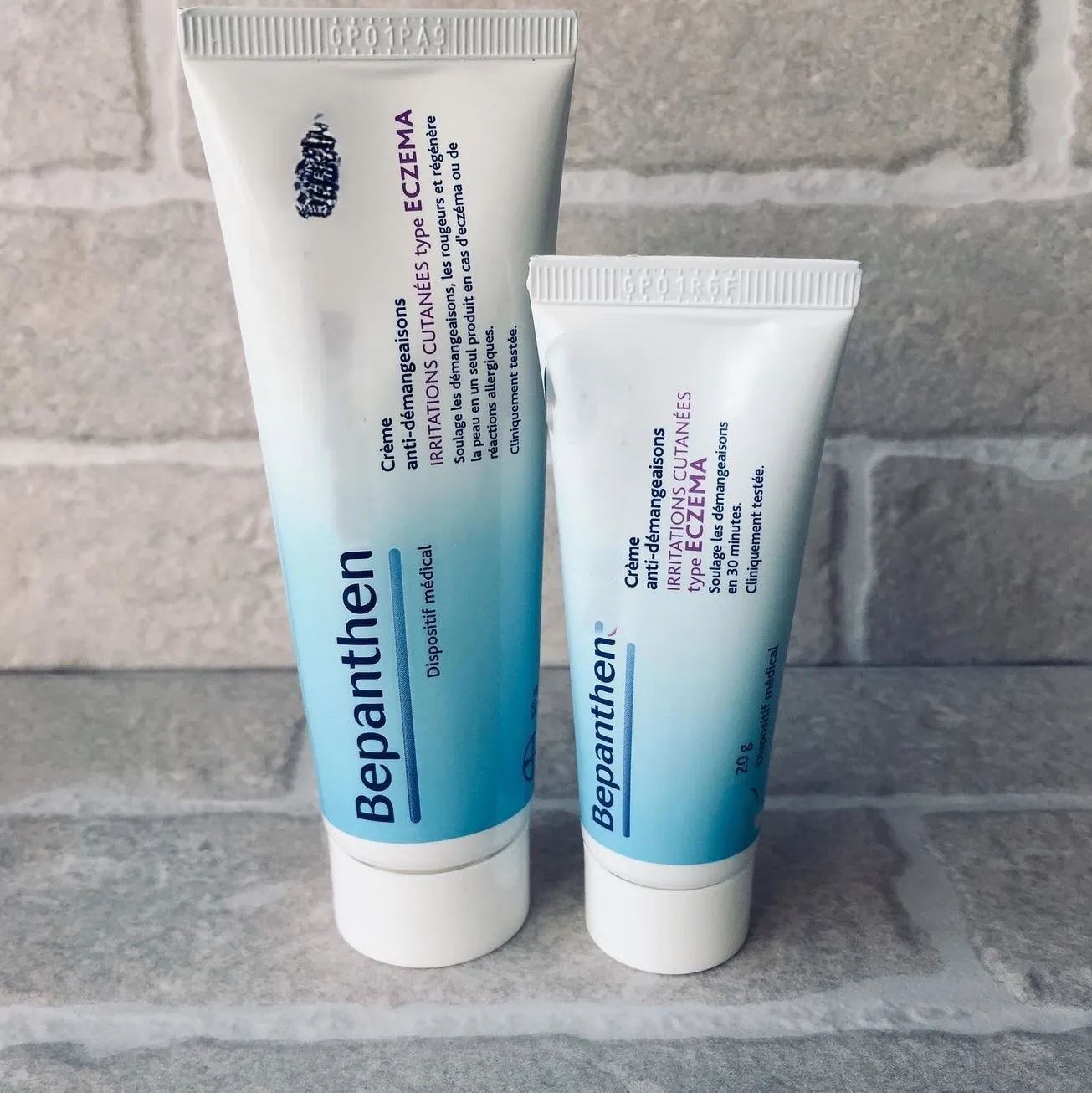
Most Australians know Bepanthen from the baby aisle, but its effective formula has made it a staple for tattoo healing too. Manufactured by a pharmaceutical giant, the Bepanthen range includes products for wound care, insect bites, and nappy rash.
The star ingredient is Pro-vitamin B5 (dexpanthenol). This compound helps boost skin recovery by improving skin barrier function and encouraging skin regeneration. It forms a breathable protective layer over the skin — often described by dermatologists as a protective layer that maintains the natural skin barrier without suffocating it.
But here’s the catch: not every Bepanthen product is designed for tattoos. Some contain added agents like antiseptic cream formulations, while others (like the Bepanthen Tattoo Aftercare Ointment) are made for gentle, daily hydration.
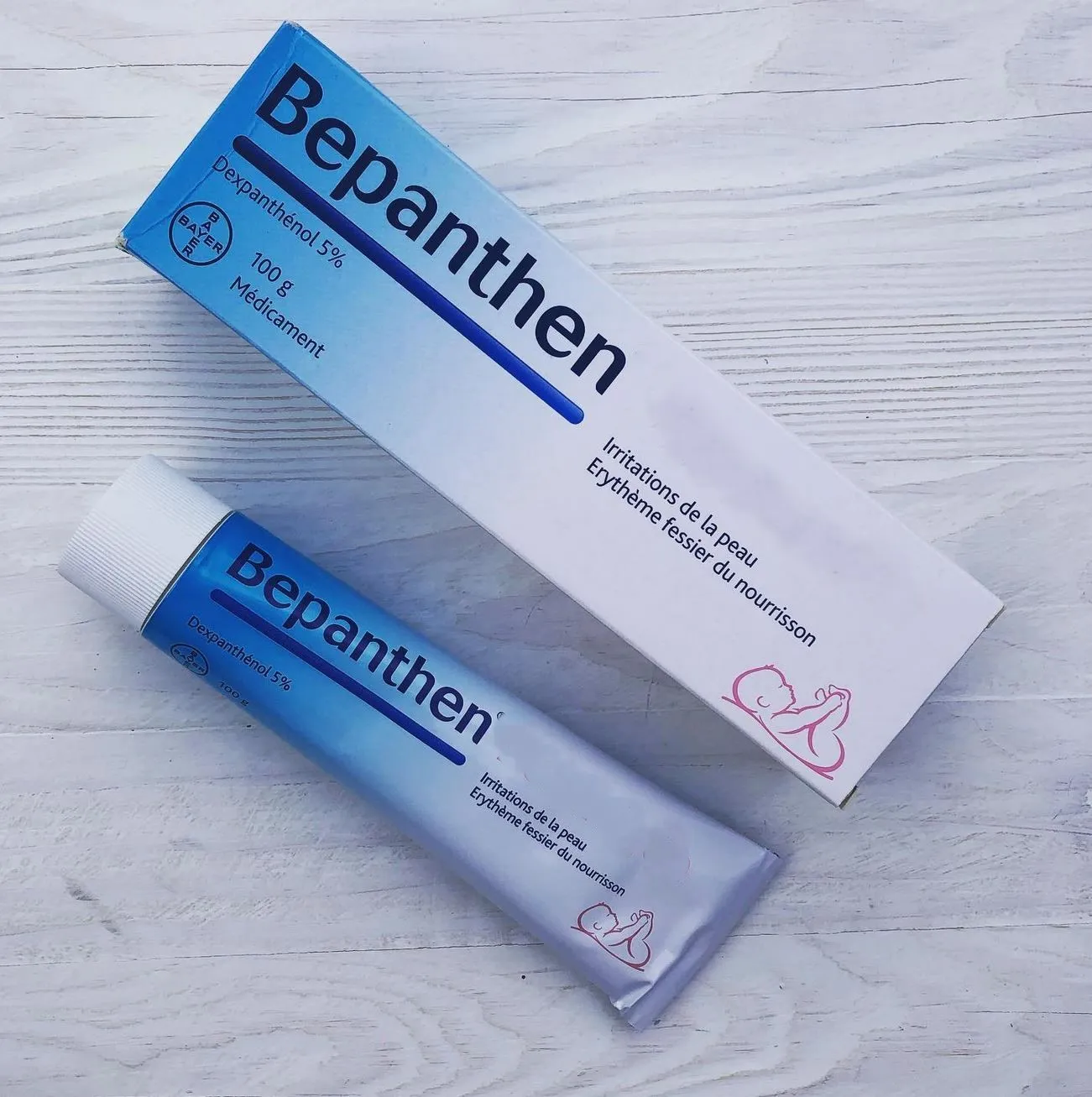
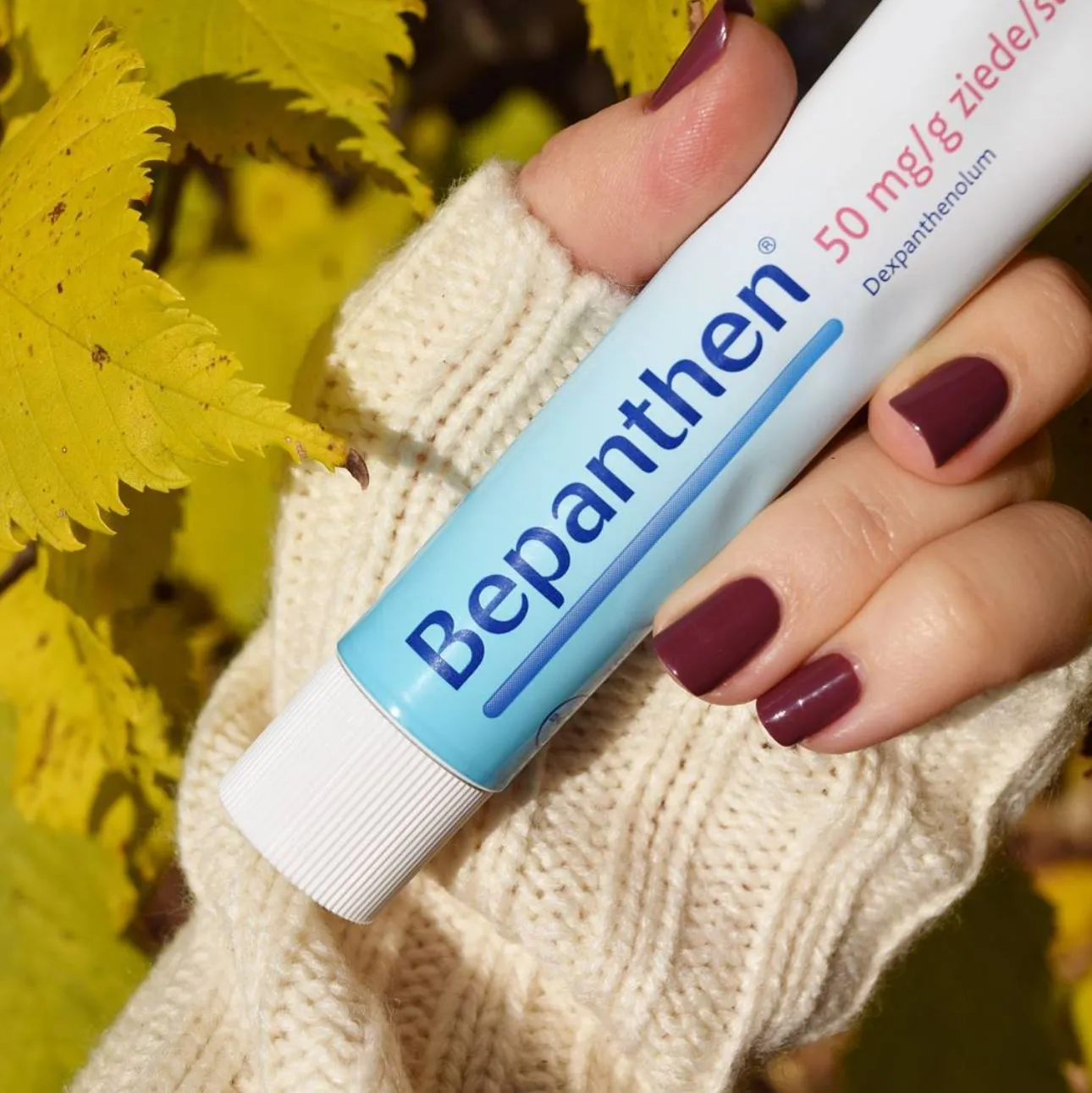
Here’s where confusion often kicks in:
So when clients ask, “Is Bepanthen Tattoo Antiseptic?” the answer is: no, in the one most tattoo artists recommend. And that’s why it’s safe. Fresh tattoos need moisture, barrier protection and gentle cleaning with warm water and antimicrobial soap — not antiseptics that can damage the pigment.
A tattoo is a controlled trauma. Thousands of fine needle punctures deliver pigment into the dermis, and the body starts its natural healing process.
| Healing Stage | Timeline | What You’ll See | What Helps Most |
|---|---|---|---|
| Inflammatory | Days 1–3 | Redness, swelling, warm skin | Gentle cleanse with lukewarm water, a thin layer of Tattoo Aftercare Ointment |
| Proliferative | Days 4–10 | Scabbing, itching, peeling | Hydration, avoid scratching, keep surrounding skin moisturised |
| Maturation | Days 11–30 | Settling pigment, skin looks normal | Barrier cream or Tattoo Aftercare Ointment once daily, avoid sun exposure |
Research in Wounds International and other clinical study publications shows that products with Pro-vitamin B5 and barrier protection can reduce adverse events like dryness, infection, or tattoo colour fading.
It’s easy to reach for anything labelled “antiseptic” when you think of wound care supplies. But on tattooed skin, antiseptics can:
Instead, the routine recommended by most professional tattoo artists (including us in Brisbane) is simple: wash with mild antimicrobial soap, pat dry, and apply a thin layer of Bepanthen Tattoo Intense Care Ointment or another dermatologically tested balm.
There’s a reason so many tattooists hand clients a tube of Bepanthen:
Some newer tattoo balms on the market use extras like silicone gel or massage roller applicators, but the simplicity of Bepanthen still appeals to clients looking for an effective formula that supports skin hydration.
In our studio, we hear lots of stories from clients who’ve tried different aftercare products. Many say Bepanthen feels soothing and gets them through the itchy phase, while others with oily skin sometimes prefer lighter gels after week one.
Customer reviews online reflect this too — some highlight Bepanthen’s protection formula and how “helpful staff” at pharmacies recommended it as part of their tattoo aftercare routine.
The takeaway? Like any skincare, customer experience varies, but the majority report improved comfort and visible skin regeneration with consistent use.
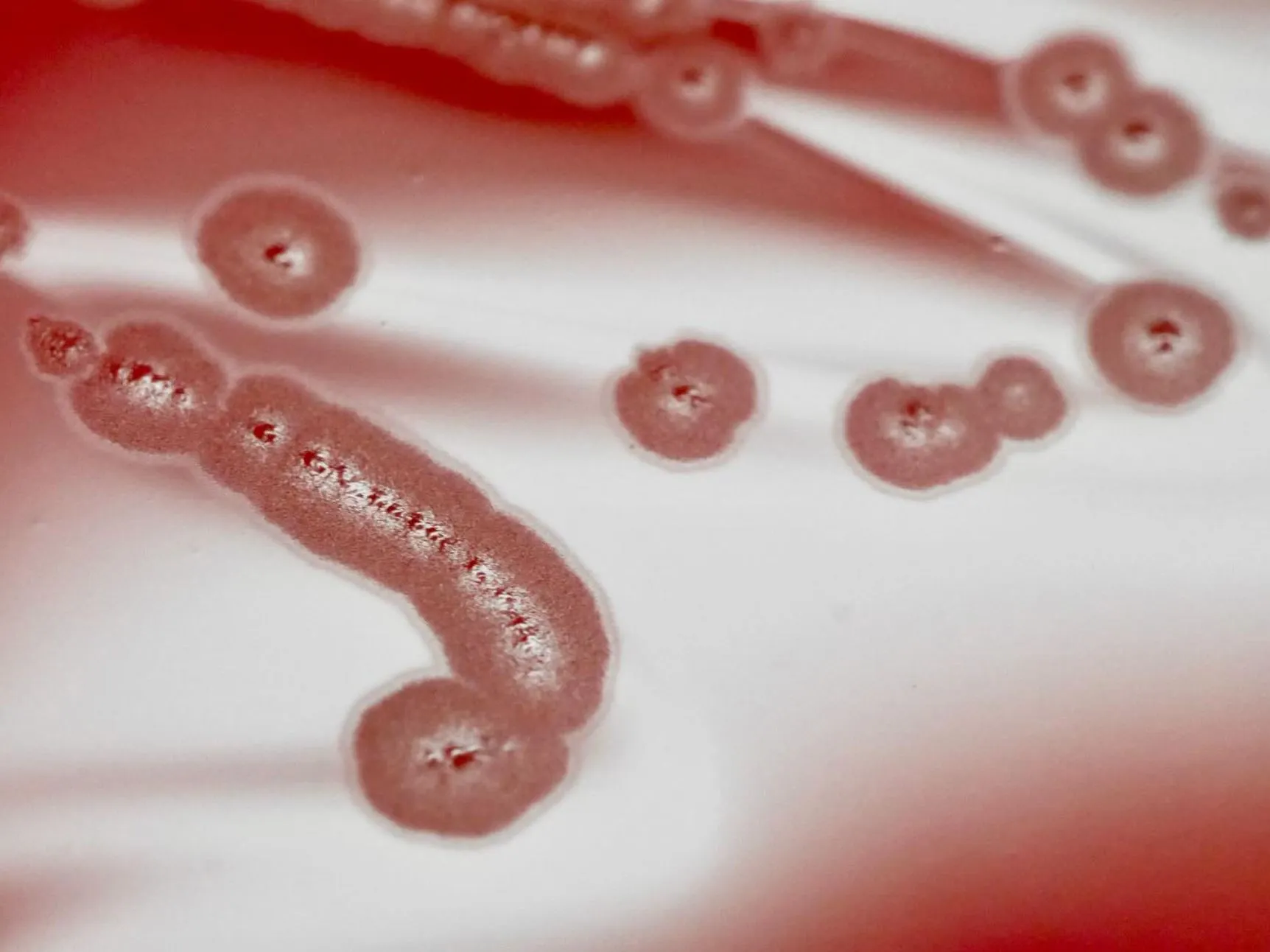
If your tattoo shows signs of infection — such as spreading redness, pus or intense heat — follow this simple guide:
Remember: Brisbane humidity can make tattoos look “angrier” than they are, so always check with a professional before self-diagnosing.
At our Brisbane studio, we always say: keep it simple. Wash with mild soap, apply a thin layer of Bepanthen Tattoo Intense Care Ointment, and trust your body’s healing process.
Still unsure which aftercare suits your skin type? Pop by Cosmetic Tattoo Studio Brisbane Face Figurati — we’re always happy to share what works for different skin types and climates.

Using only natural and eco-friendly components for cosmetics
Special unique receipes are the secret of our spa procedures.
Experienced and skilled staff will make your perfect day
Most of our beauties come from the recommendation
No. The recommended ointment is not antiseptic — it’s a Tattoo Aftercare Ointment designed for hydration and barrier protection.
Yes, keeping hydrated and a breathable barrier helps retain pigment and reduces tattoo colour fading.
Yes. It’s dermatologically tested (dermatologisch getest) and safe for use on sensitive skin.
Not unless prescribed. Tattoo healing doesn’t need antiseptics — they can interfere with the healing process and damage pigment.
Generally, 7–10 days, until the peeling stage ends. After that, switch to a light unscented moisturiser to support long-term skin hydration.